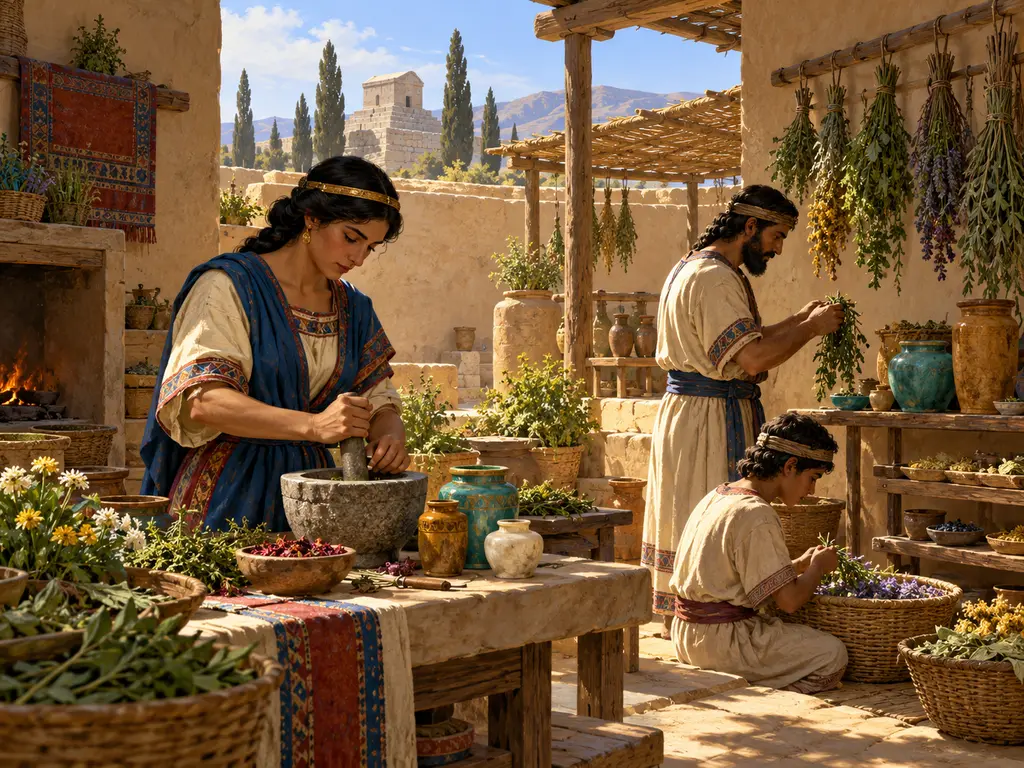
Healer's House
Healers in the Persian empire and its subject lands, 6th-5th centuries BCE
The Persian empire had no single medical profession. Egyptian, Babylonian and Greek healers each worked in their own traditions, and the King drew the best of them to his court. Most of what survives tells of court physicians and temple schools. It says little about how ordinary households were cared for.
In the game: In the game a healer walks from the Healer's House to homes along the road, and Courtyard Houses need one. This is a simplification: no source describes a public street healer service in Persian towns.
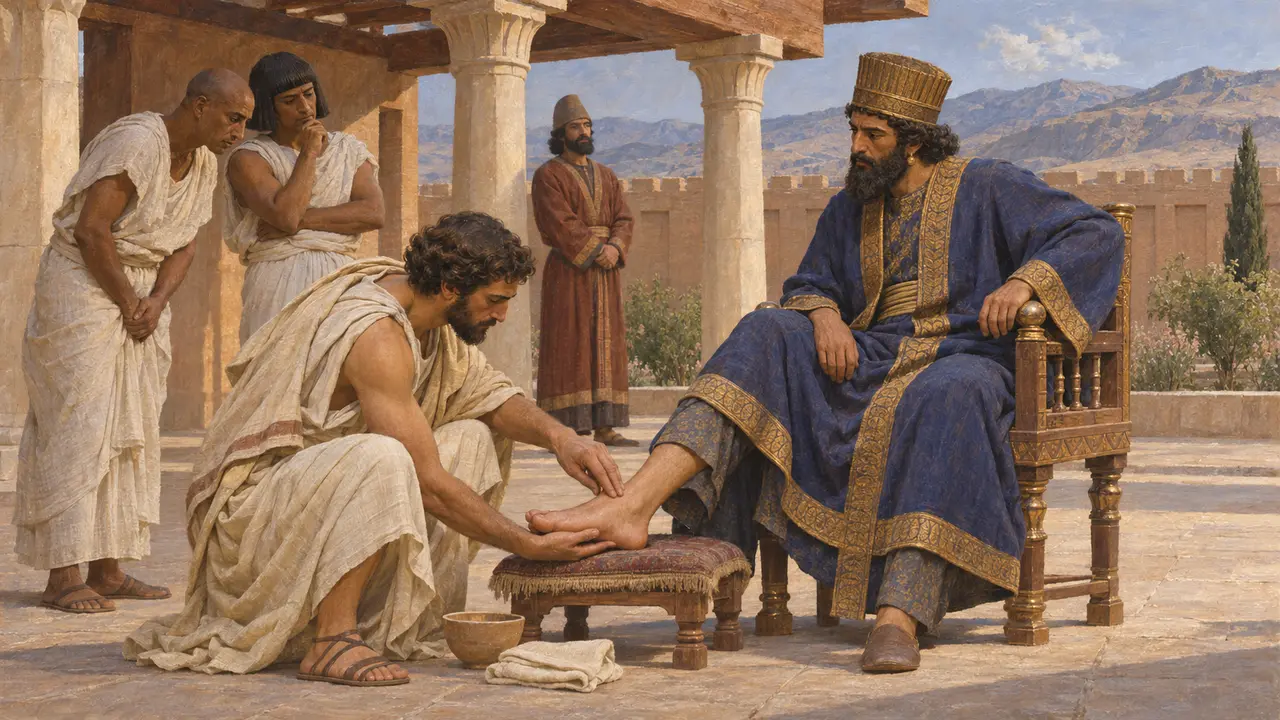
Foreign physicians at the King's court
Ancient accountHerodotus says Cyrus asked the pharaoh Amasis for Egypt's best eye doctor, who resented being sent away and later urged Cambyses to seek Amasis's daughter, a demand that helped bring war. He also tells how Darius twisted his ankle while hunting and his Egyptian doctors made it worse. Democedes of Croton, a Greek captive from the household of the satrap Oroetes, cured him and was richly rewarded. Both stories show the King relying on foreign healers.
Herodotus 3.1; Herodotus 3.129-130
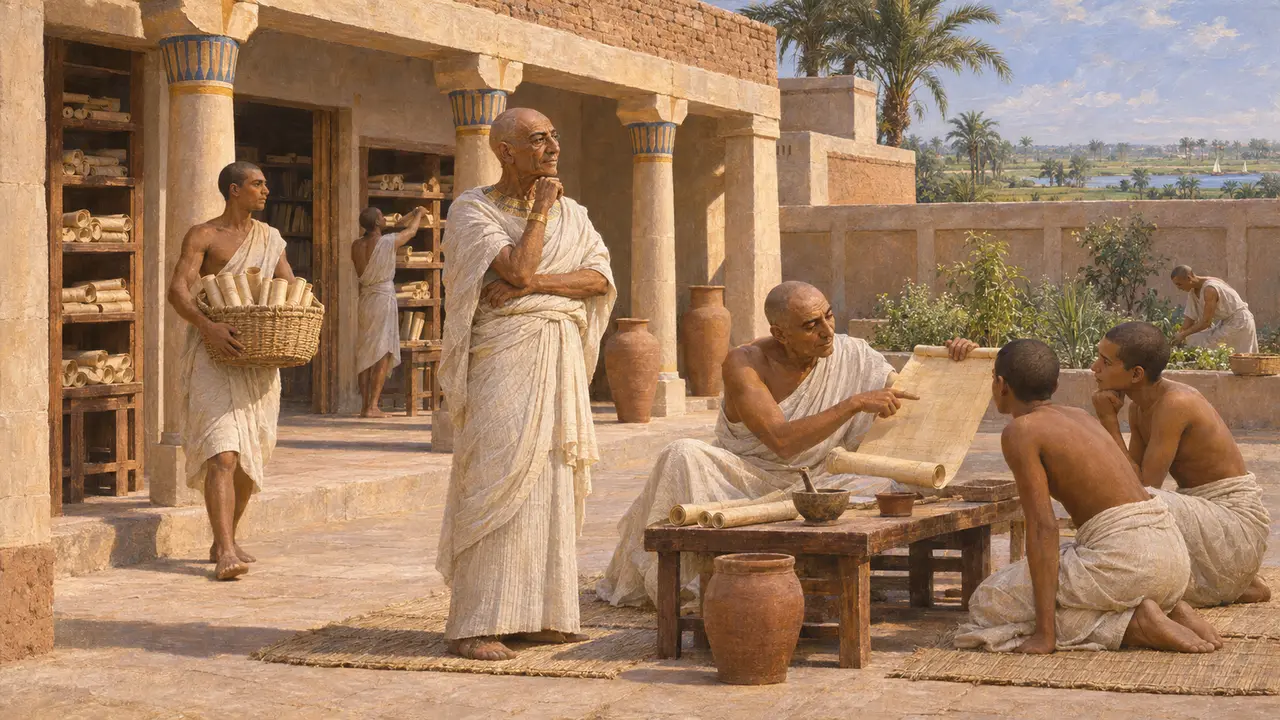
Udjahorresnet and the House of Life
In the recordA statue of Udjahorresnet, now in the Vatican Museums, carries his own account in hieroglyphs. He served the last Saite kings, then Cambyses and Darius, and calls himself chief of physicians. He says Darius, while in Elam, sent him back to Egypt to restore the House of Life, the temple institution where texts, medical ones among them, were copied and taught. It is one of the few documents from the time that shows royal interest in medicine.
Statue of Udjahorresnet (Vatican, Museo Gregoriano Egizio); A. B. Lloyd, The Inscription of Udjahorresnet, 1982
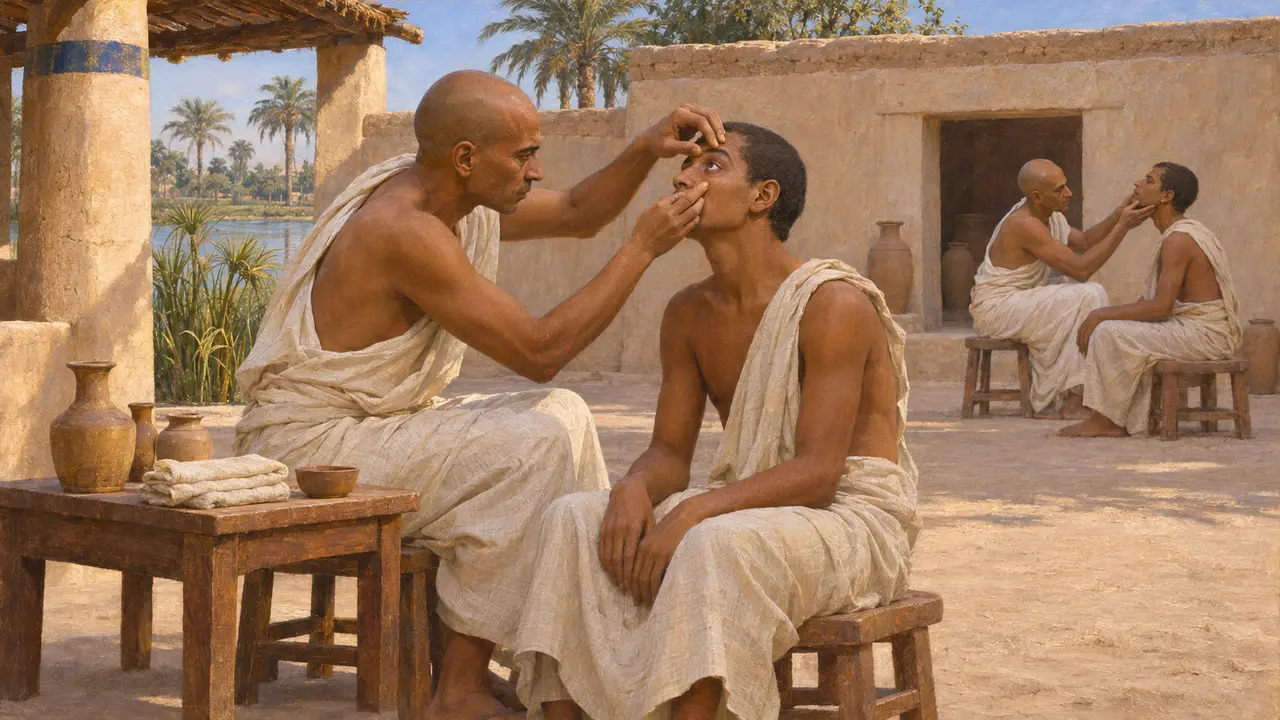
Egyptian specialists
Ancient accountHerodotus writes that Egyptian medicine was divided up, with each doctor treating one illness only. In his account some treated the eyes, others the head, the teeth or the belly. Egyptian medical papyri confirm that specialist titles existed, though historians think he made the division sound stricter than it was.
Herodotus 2.84
Herodotus and the Babylonian healers
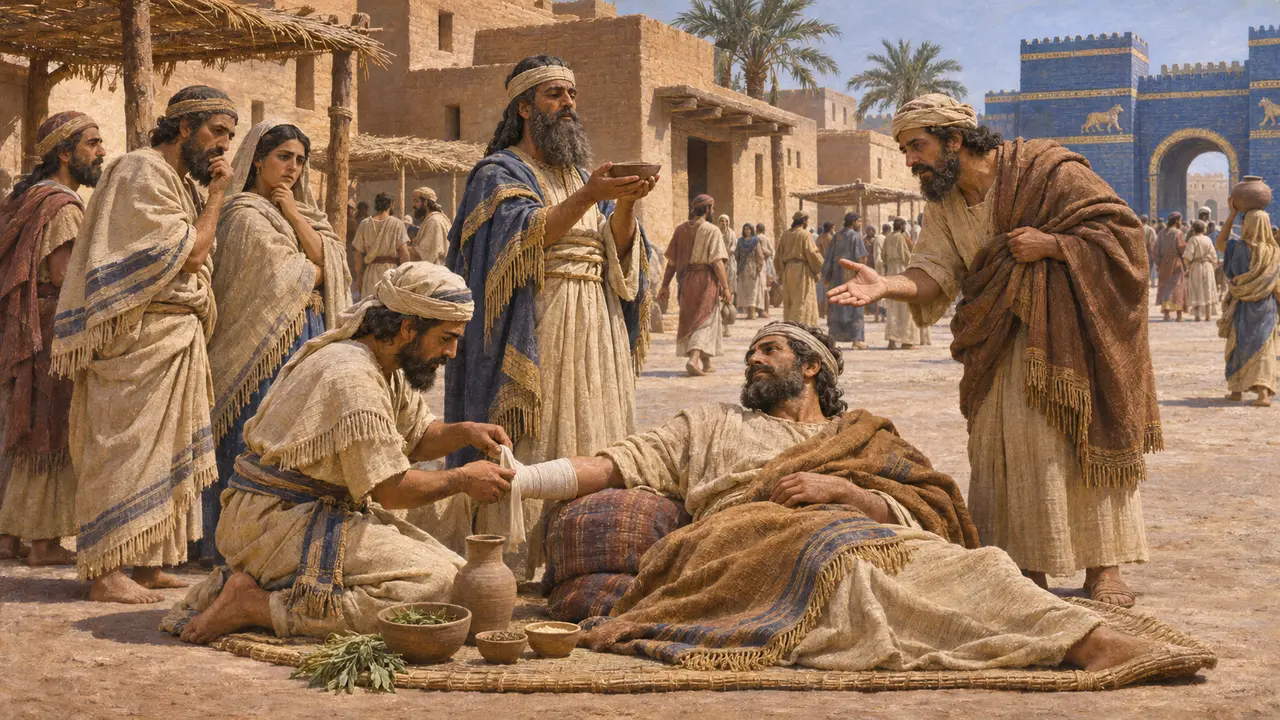
DisputedHerodotus writes that the Babylonians had no physicians and instead laid their sick in the square so that passers-by could give advice. Cuneiform tablets contradict him. Babylonia had two kinds of trained healer: the asû, who worked with drugs and bandages, and the āšipu, who diagnosed and treated through ritual. Their handbooks were still being copied in the Persian period.
Herodotus 1.197; M. J. Geller, Ancient Babylonian Medicine, 2010
Knife, plants and holy word
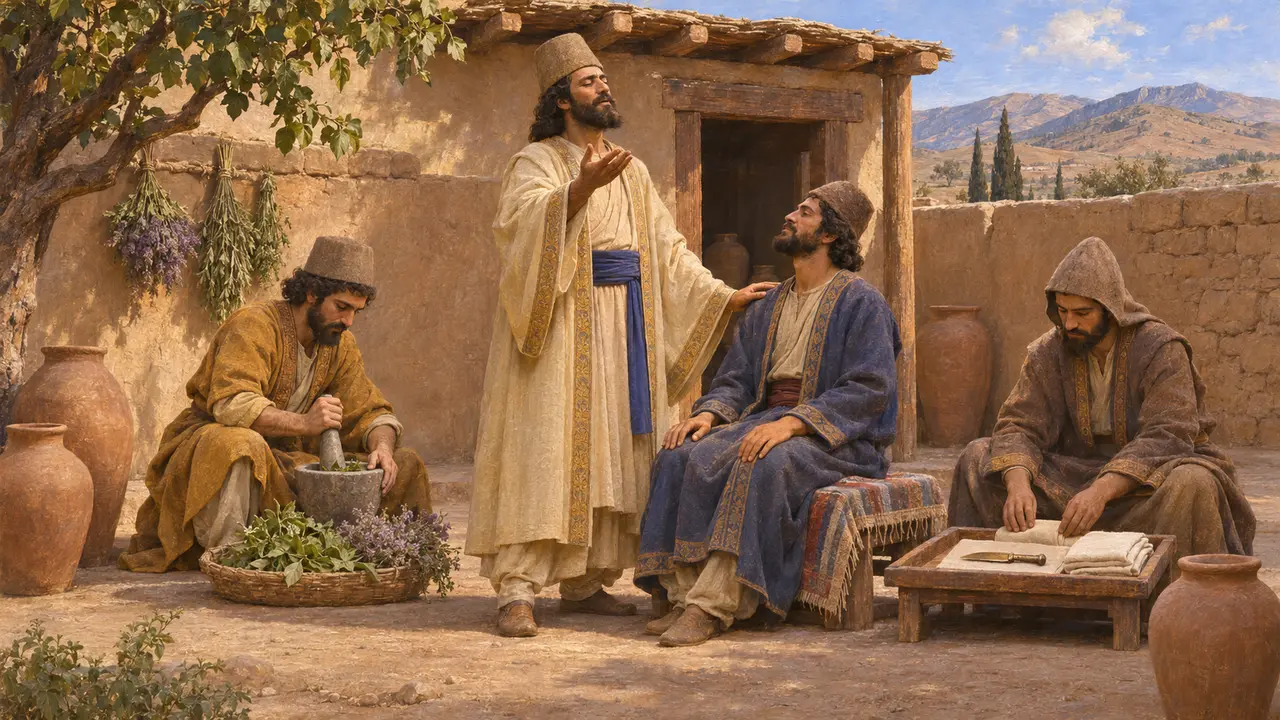
Later legendThe Videvdad is a Zoroastrian priestly text whose date of composition is debated, and it was written down only much later. It names three kinds of healer: those who heal with the knife, with plants and with the holy word, and it ranks the last highest. It also sets fees according to the patient's rank. How far any of this reflects practice under Darius is unknown, so it is best read as later tradition.
Videvdad 7
Sources
- Herodotus 3.1; 3.129-137
- Statue of Udjahorresnet (Vatican, Museo Gregoriano Egizio)
- A. B. Lloyd, The Inscription of Udjahorresnet, 1982
- Herodotus 1.197; 2.84
- M. J. Geller, Ancient Babylonian Medicine, 2010
- P. Briant, From Cyrus to Alexander, 2002