Encyclopedia › Battles and events
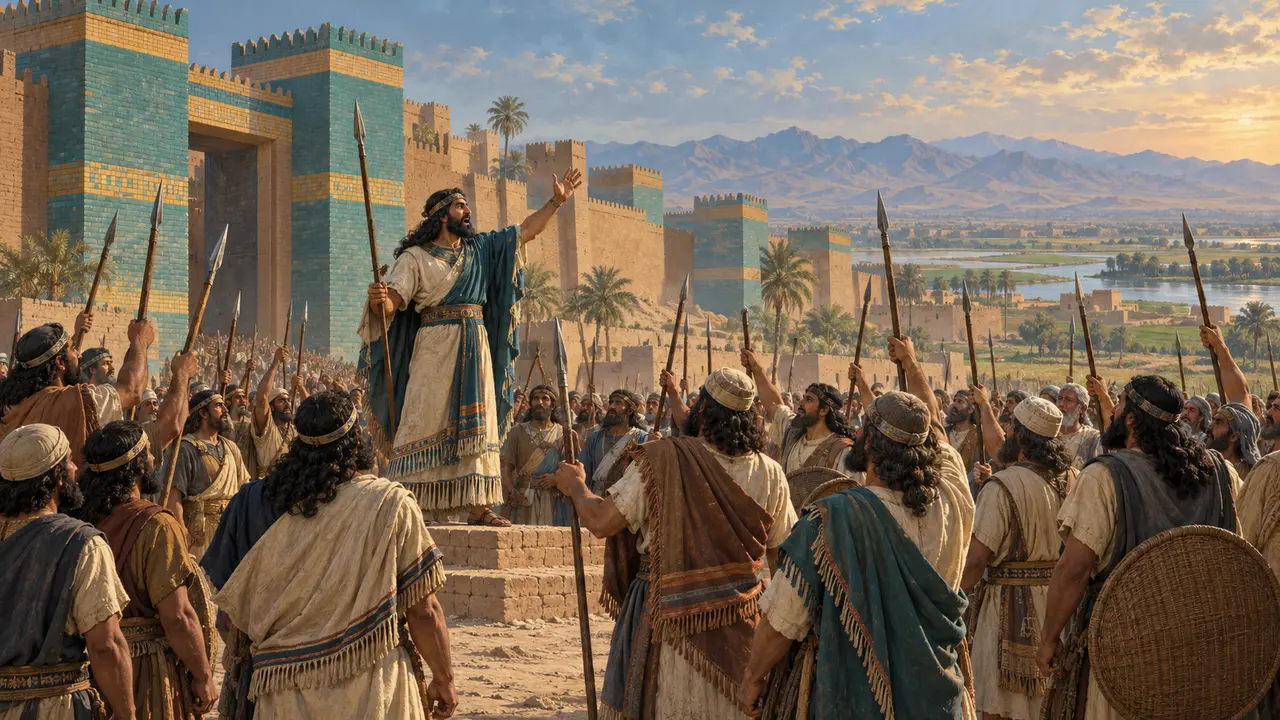
The third Elamite revolt
Rising of Elam under Athamaita, put down by Gobryas, about 520-519 BCE
In the game: Level 5: The Charter
In the second and third year of Darius's reign, Elam rose against him again, led by a man the Old Persian text calls Athamaita. Darius sent the Persian noble Gobryas, who defeated the Elamites and brought Athamaita to the King to be killed. It was the last rising recorded at Behistun, coming a year or more after the great revolts of 522-521 had been put down.
In the game: The Susa level opens with this revolt and Gobryas's victory. The game dates the level to 521, but Behistun places the rising in Darius's second and third regnal years, about 520-519, and does not itself call it the third.
What Darius's inscription says
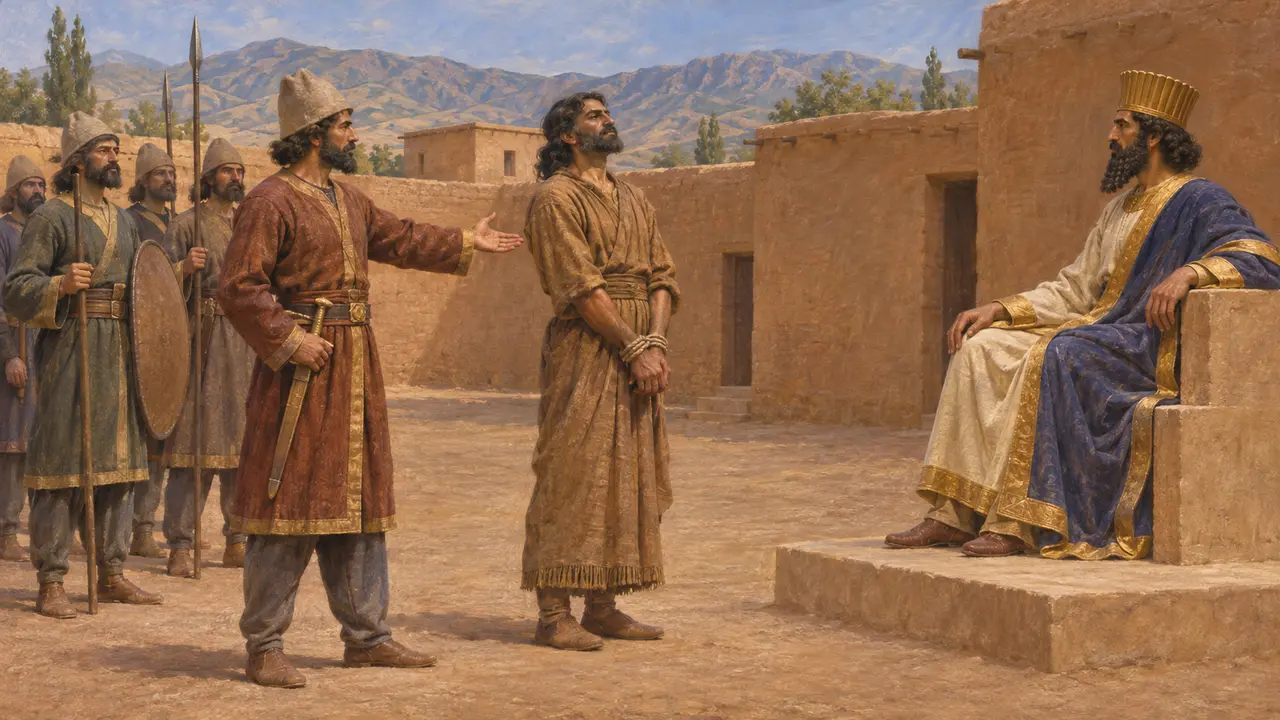
In the recordThe fifth column of the Behistun inscription says that Elam rebelled in the King's second and third year and that the Elamites made a man named Athamaita their chief. Darius sent Gaubaruva, a Persian and his subject, at the head of an army. Gobryas fought the Elamites, defeated them, seized Athamaita and led him to Darius, who had him killed, and the country became Darius's again.
DB §71
A column added after the main text
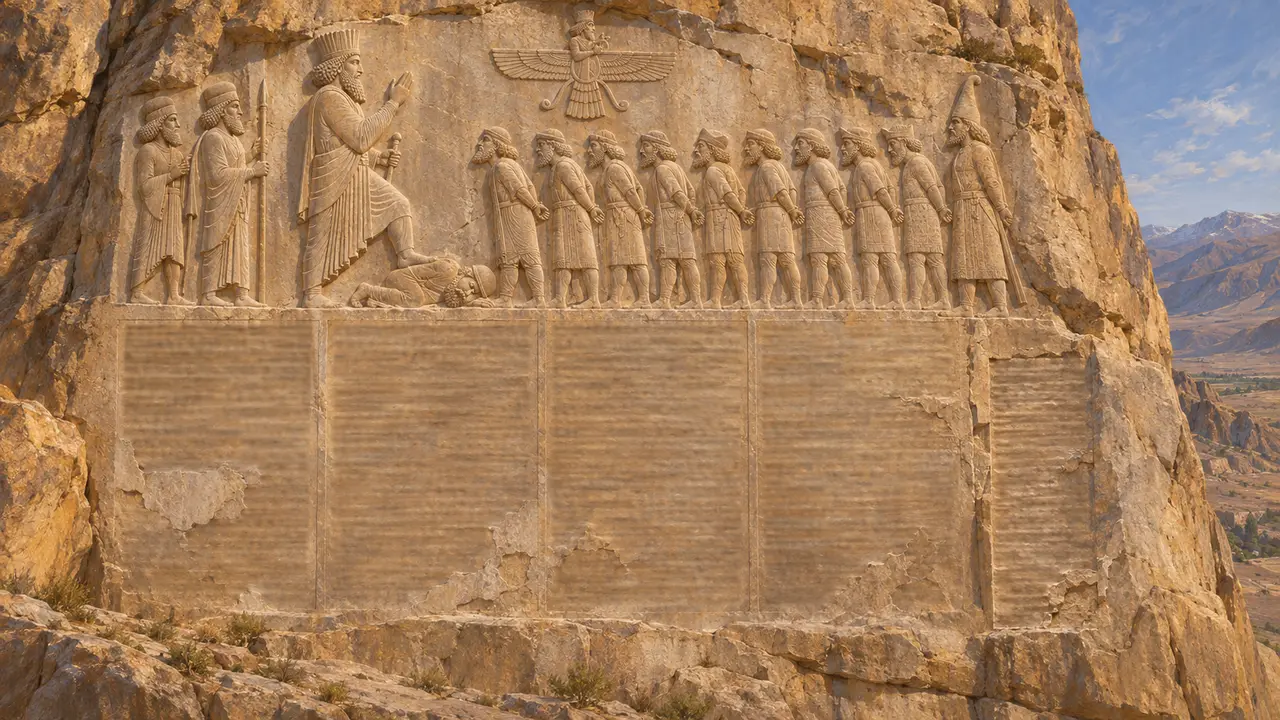
In the recordColumn V was carved some time after the first four columns. It survives only in Old Persian, with no Elamite or Babylonian version, and much of it is damaged. The relief above shows Gaumata and the rebel kings of 522-521, with the Saka leader Skunkha added later, but Athamaita is not among the figures. Calling his rising the third Elamite revolt, after those of Assina and Martiya, is a modern count drawn from the inscription's narrative.
R. Schmitt, The Bisitun Inscriptions of Darius the Great: Old Persian Text, 1991
The faithless Elamites
DisputedThe text goes on to say that the Elamites were faithless and did not worship Auramazda, while Darius did, and so he dealt with them as he wished. Some historians once read this as a turn to religious intolerance. Others, notably Henkelman, point out that Elamite gods went on receiving offerings from the royal economy in the Persepolis Fortification tablets. On that view the phrase is a charge of political disloyalty framed in religious terms.
DB §72; W. Henkelman, The Other Gods Who Are, 2008
Who Athamaita was
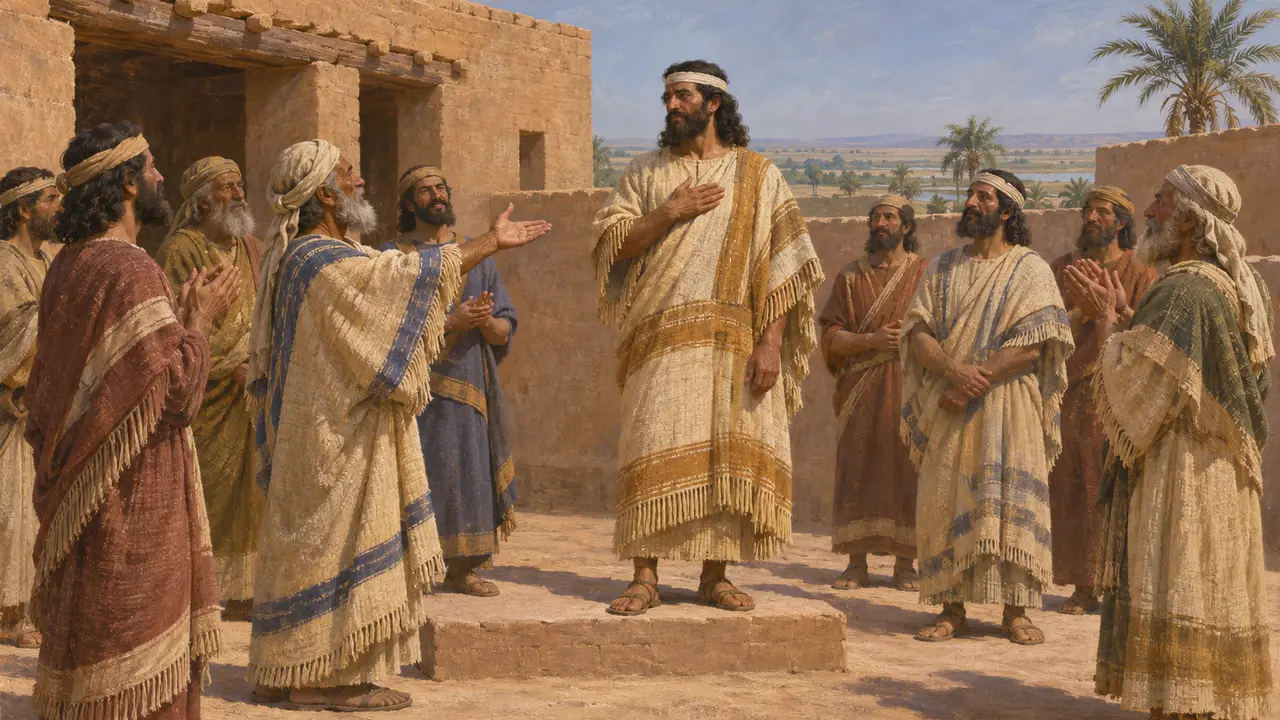
DisputedBehistun gives only his name and says the Elamites made him their chief. Some scholars have proposed that he was Atta-hamiti-Inshushinak, a Neo-Elamite ruler known from an inscription, which would make the revolt an attempt to restore a local dynasty. Others think the match of names and dates is too uncertain to build on, and the question remains open.
D. T. Potts, The Archaeology of Elam, 1999
Gobryas, the King's kinsman
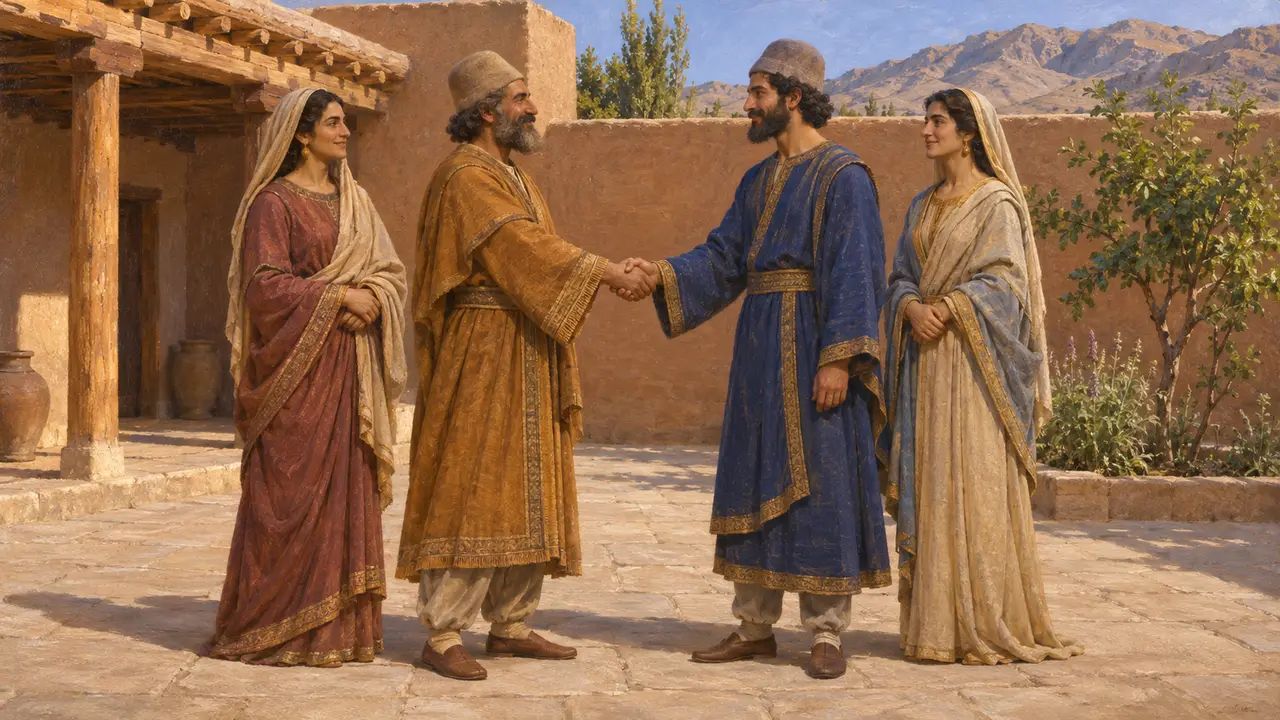
Ancient accountHerodotus says that Darius had married a daughter of Gobryas before he became king. He also says that Gobryas married Darius's sister, so that their son Mardonius was the King's nephew. Behistun itself calls Gaubaruva son of Marduniya one of the six Persians who helped Darius kill Gaumata, and says nothing of marriage. The family tie that makes Gobryas Darius's father-in-law comes from Herodotus alone.
Herodotus 7.2; Herodotus 7.5; DB §68
Sources
- Behistun inscription, DB §71-72
- R. Schmitt, The Bisitun Inscriptions of Darius the Great: Old Persian Text, 1991
- P. Briant, From Cyrus to Alexander, 2002
- W. Henkelman, The Other Gods Who Are, 2008
- D. T. Potts, The Archaeology of Elam, 1999
- Herodotus 7.2, 7.5