Encyclopedia › Battles and events
The voyage of Scylax
A Persian voyage of exploration down the Indus and west to Egypt, about 517 BCE
In the game: Level 5: The Charter
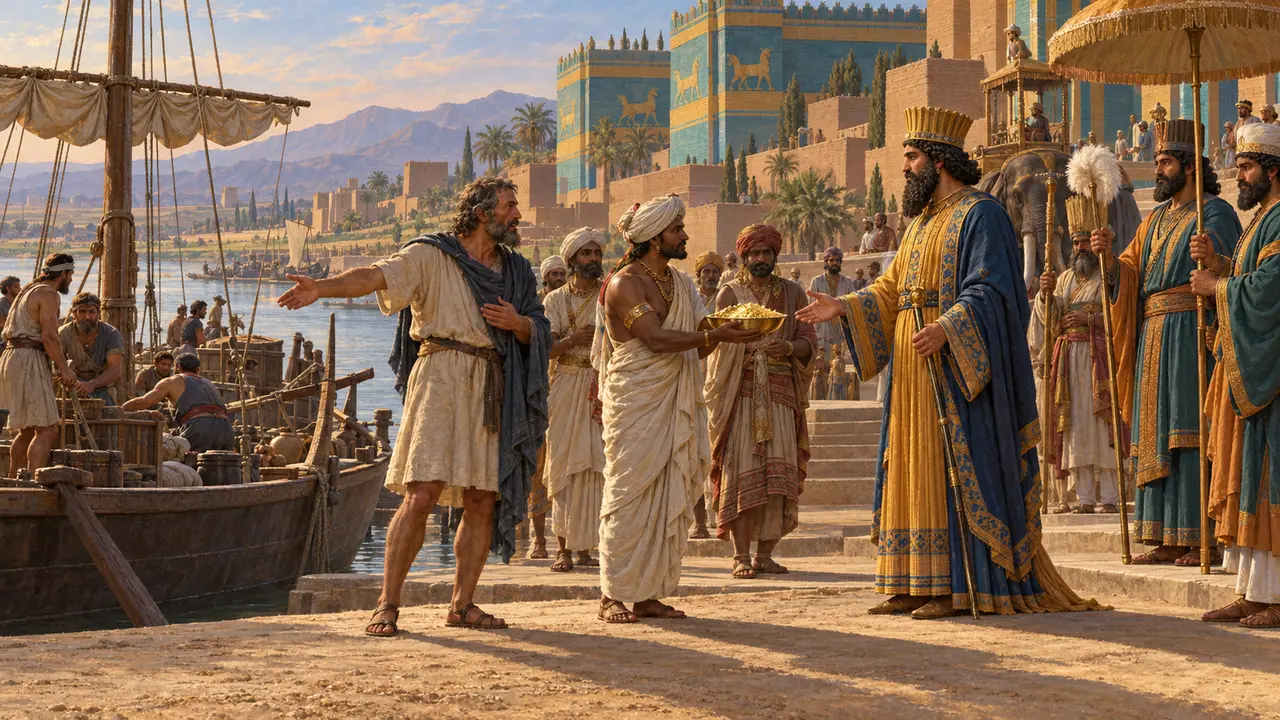
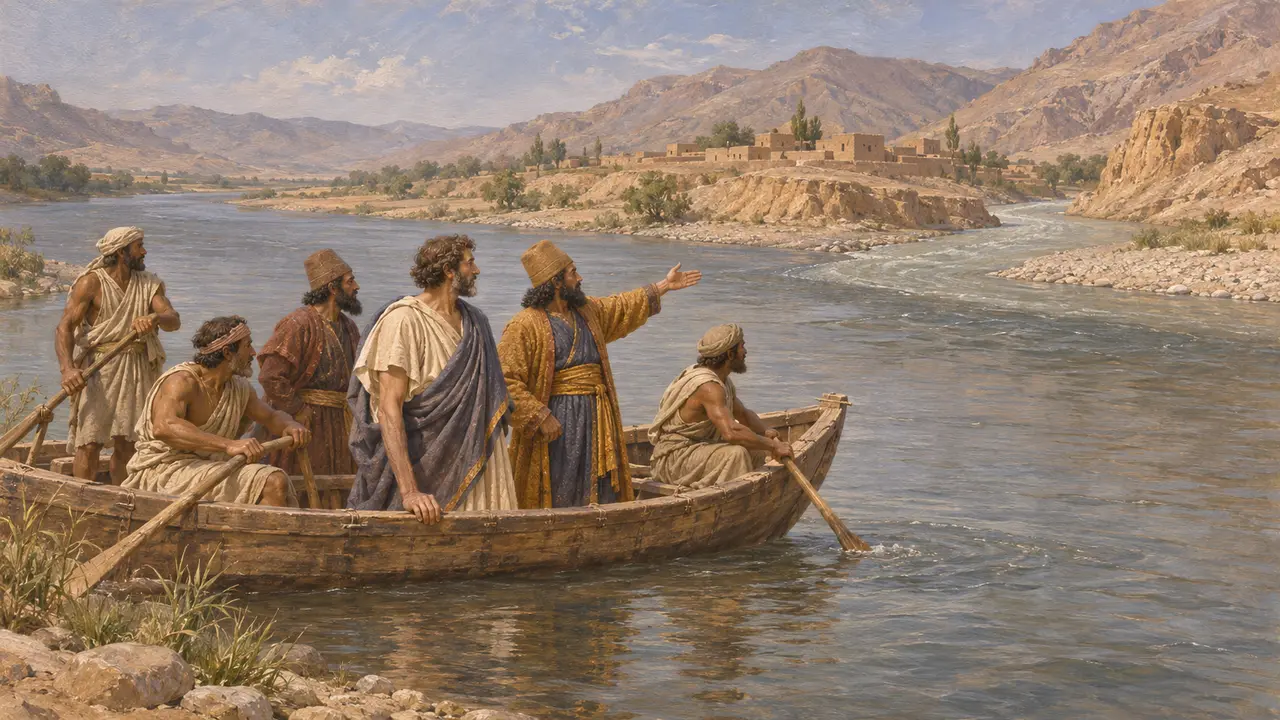
Herodotus says Darius sent Scylax of Caryanda, a Carian, with other men he trusted to find where the Indus met the sea. They sailed down the river and then west by sea, probably round Arabia, and reached the Egyptian shore of the Red Sea in the thirtieth month. The voyage linked the far east of the empire to its western seas, and Herodotus places Darius's conquest of the Indians after it.
In the game: The game shows the voyage as a Chronicle event of about 517, following Herodotus 4.44. The date is a modern estimate, since Herodotus gives none, and the order of voyage first and conquest second is his version, not certain fact.
What Herodotus tells
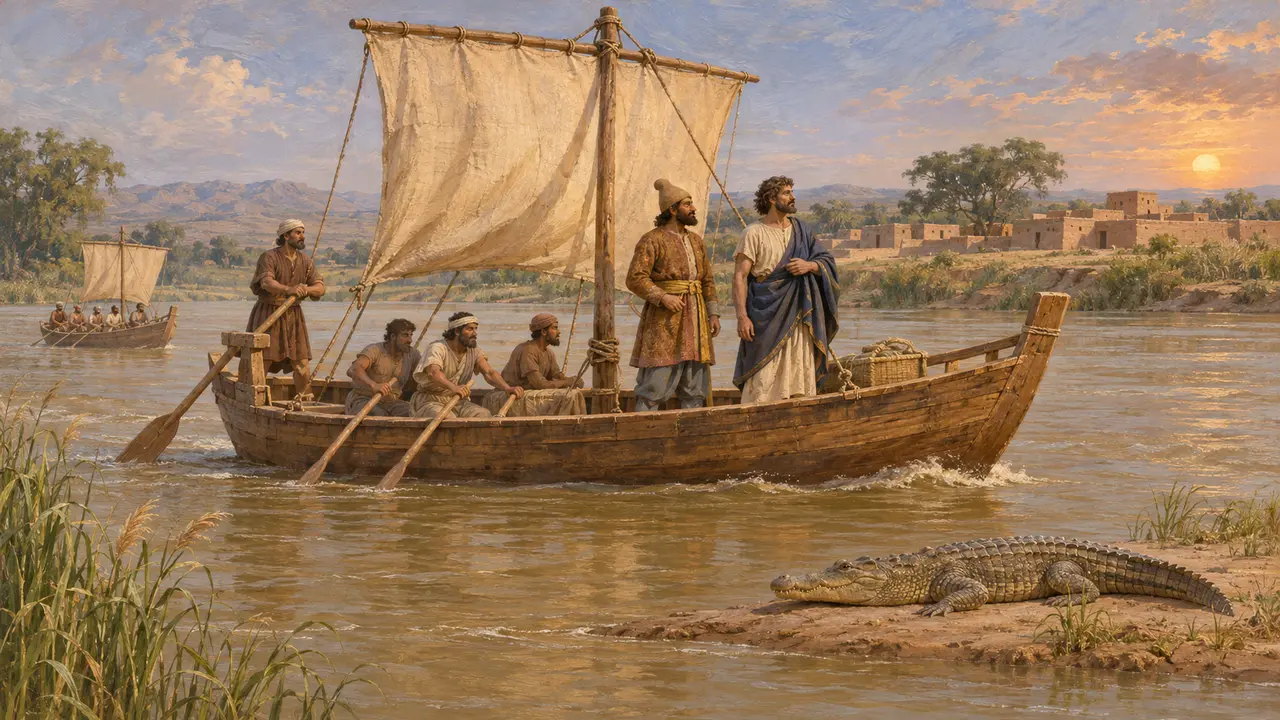
Ancient accountHerodotus says Darius wanted to know where the Indus, a river with crocodiles, flowed into the sea. He sent ships with Scylax of Caryanda and others he trusted. They set out from the city of Caspatyrus in the Pactyican land and sailed downstream to the sea. They then turned west across the sea, and in the thirtieth month they reached the place from which an Egyptian king had once sent Phoenicians to sail round Libya.
Herodotus 4.44
Conquest and tribute in India
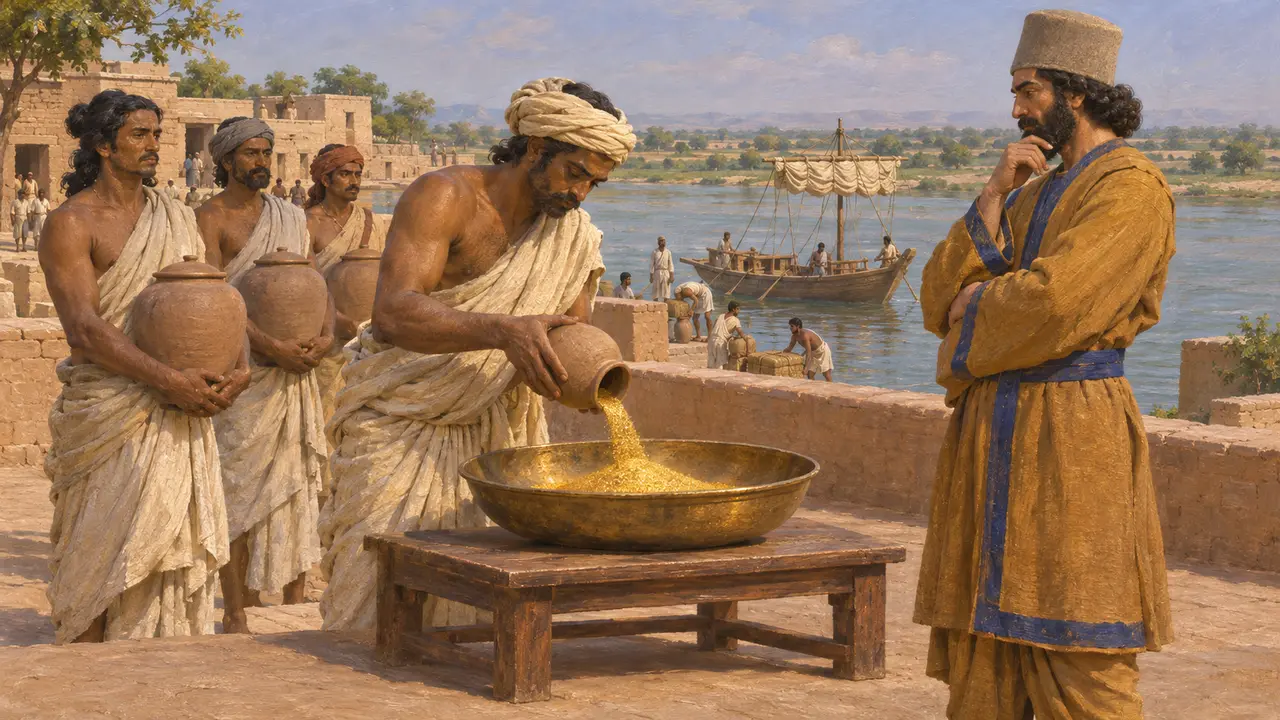
Ancient accountHerodotus adds that after the voyage Darius subdued the Indians and made use of the southern sea. In his list of tribute districts he calls the Indians the most populous people known to him. He says they paid the largest tribute of all, 360 talents of gold dust. Historians accept that the Indus lands were rich, but treat his exact figures with caution.
Herodotus 4.44; Herodotus 3.94
India in the Persian record
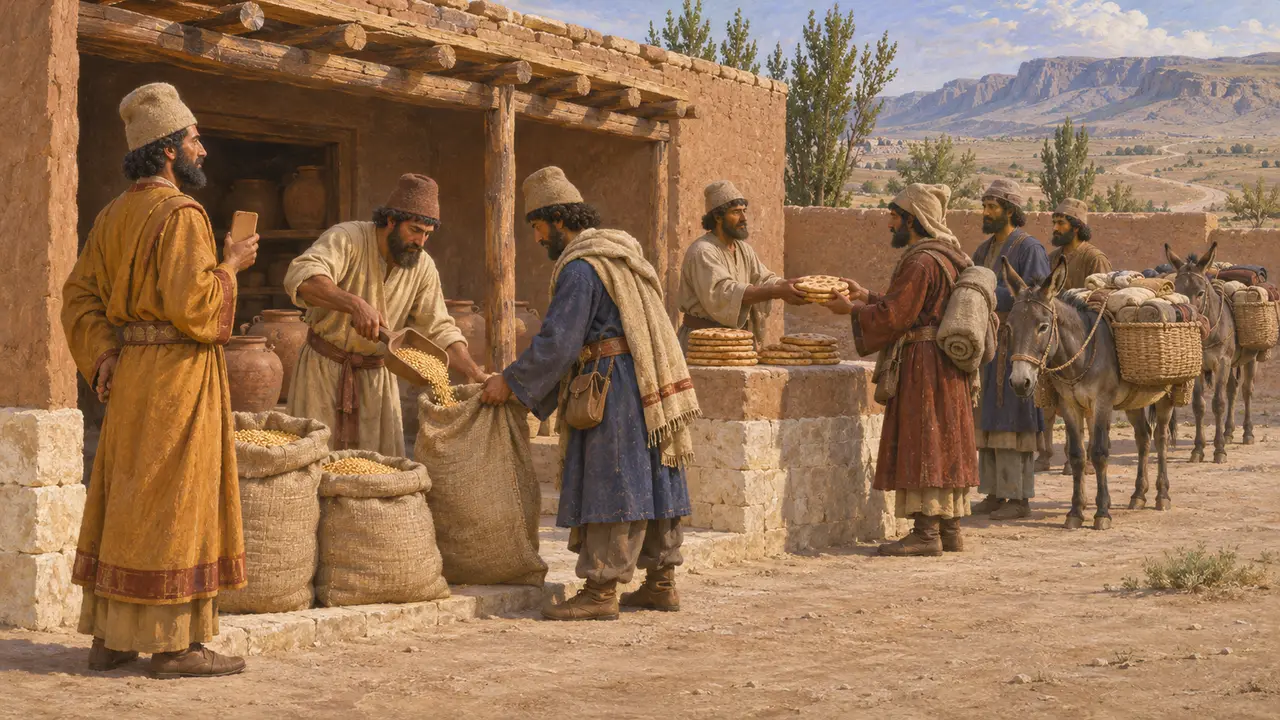
In the recordThe Behistun inscription lists Gandara among Darius's lands but not India. Hindush, the lower Indus country, appears in later royal lists, including the inscription on Darius's tomb at Naqsh-e Rostam. The Persepolis Fortification tablets, written some years after the voyage, record travel rations for parties moving between Persis and Hindush. They show that journeys along this route were organised by the state.
DB §6; DNa; Persepolis Fortification tablets
Doubts about route and order
DisputedHerodotus says the river ran east, which fits the Kabul river flowing into the Indus better than the Indus itself, so his geography may blur the two. Some historians think the Indus lands were taken before the voyage, which would make it a survey of conquered country rather than a prelude to conquest. Others link it to Darius's plans for a sea route to Egypt through his Nile canal.
P. Briant, From Cyrus to Alexander, 2002; K. Karttunen, India in Early Greek Literature, 1989
The book of Scylax and its marvels
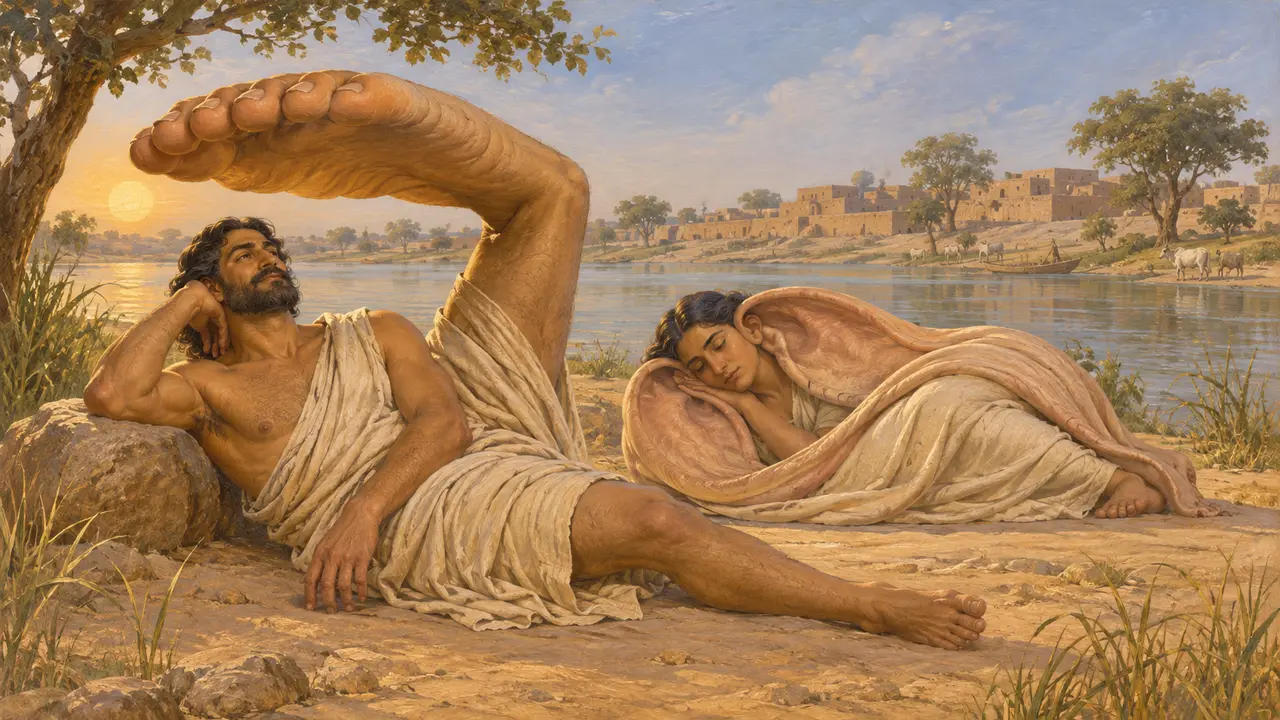
Later legendScylax apparently wrote an account of his travels, now lost. Aristotle cites him soberly on Indian kings. Much later, the Byzantine scholar Tzetzes credited him with tales of strange peoples, such as men who shaded themselves with one huge foot or slept wrapped in their ears. These wonder stories cannot be checked. A surviving coastal guide bearing his name was in fact composed much later.
Aristotle, Politics 7.14; Tzetzes, Chiliades
Sources
- Herodotus 4.44
- Herodotus 3.94
- DNa
- Aristotle, Politics 7.14
- P. Briant, From Cyrus to Alexander, 2002
- K. Karttunen, India in Early Greek Literature, 1989