Encyclopedia › Soldiers and ships
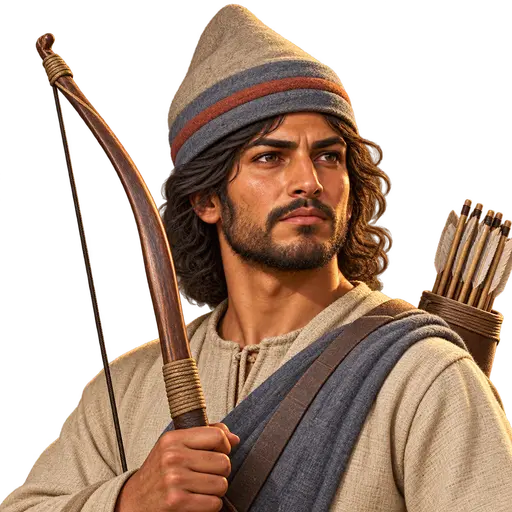
Levy Archer
Bowman raised by royal levy for the Persian King's army, 6th-5th century BCE
The Persian kings raised much of their army by levy from the peoples of the empire, and many of the men who answered were archers. In Babylonia, documents show land granted on condition that the holder served as a bowman or supplied one. Massed archery was central to Persian infantry fighting, so the levied bowman, mustered through the satraps, was probably among the most common soldiers in the King's wars.
In the game: The game shows the Levy Archer as a townsman with a hunting bow who shoots from behind the levy spearmen. This is a simplification: the surviving documents point more to landholders owing service than to townsmen.
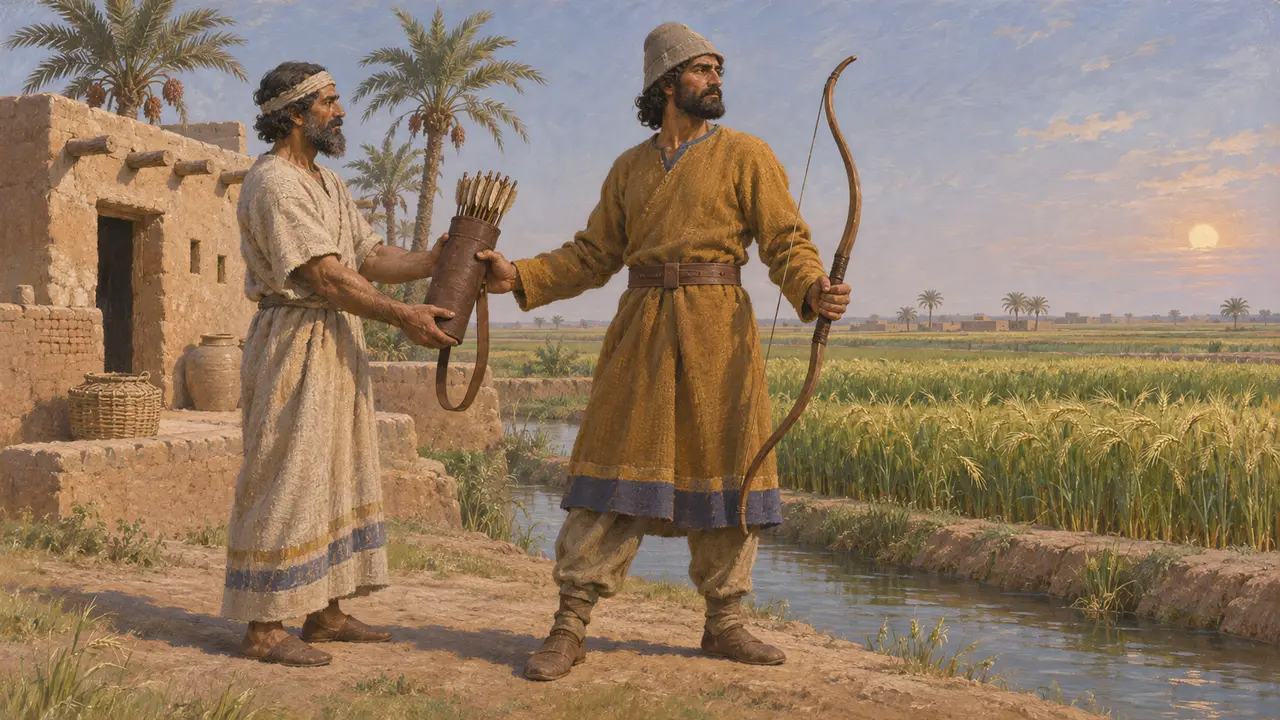
Land held for a bow
In the recordBabylonian documents of the Achaemenid period record bow-land, plots granted on condition that the holder provided an archer for the King. The fullest evidence comes from the Murashu archive of Nippur, written in the later fifth century, after the period of the game. By then the duty was often paid in silver or met by equipping a substitute, and bow-land was split among many shareholders.
M. Stolper, Entrepreneurs and Empire, 1985
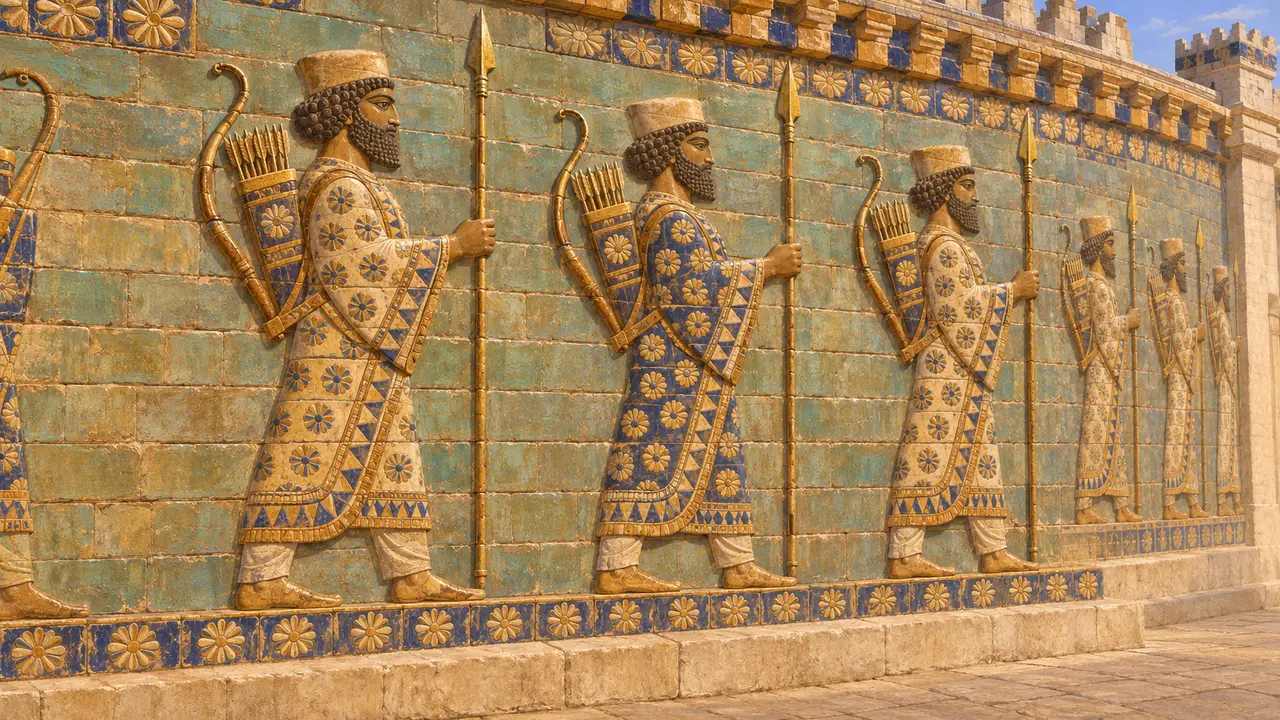
Bows in Persian art
In the recordThe glazed-brick friezes from Darius's palace at Susa show rows of guardsmen holding a spear, with a bow over the shoulder and a quiver on the back. Reliefs at Persepolis show bow-cases among the arms of some Persian and Median guards. In this art the bow and spear are often carried by the same man, which fits uneasily with a strict division into spearmen and archers.
P. Briant, From Cyrus to Alexander, 2002
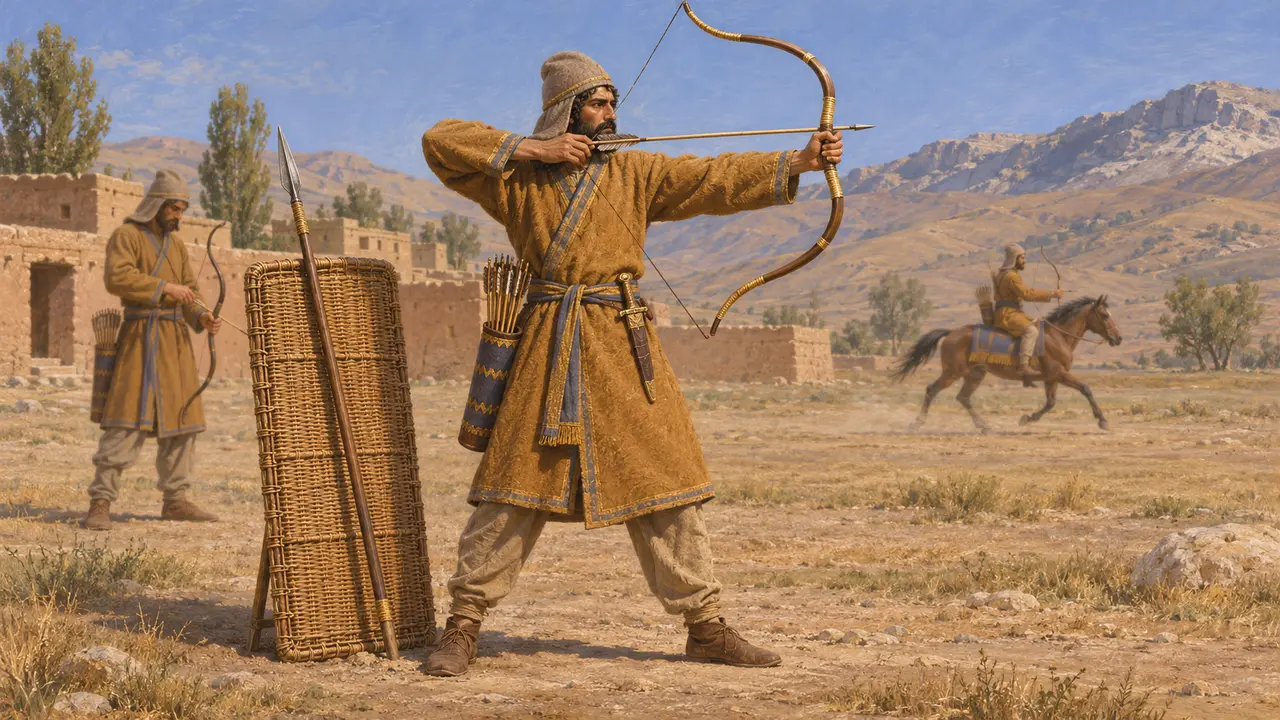
What Herodotus says of Persian arms
Ancient accountHerodotus says Persian boys were taught three things: to ride, to shoot the bow and to tell the truth. In his description of Xerxes' army he gives the Persian foot wicker shields, short spears, large bows, cane arrows and daggers. He also lists many subject contingents armed with bows, among them Bactrians, Saka, Indians and Arabs.
Herodotus 1.136; Herodotus 7.61-80
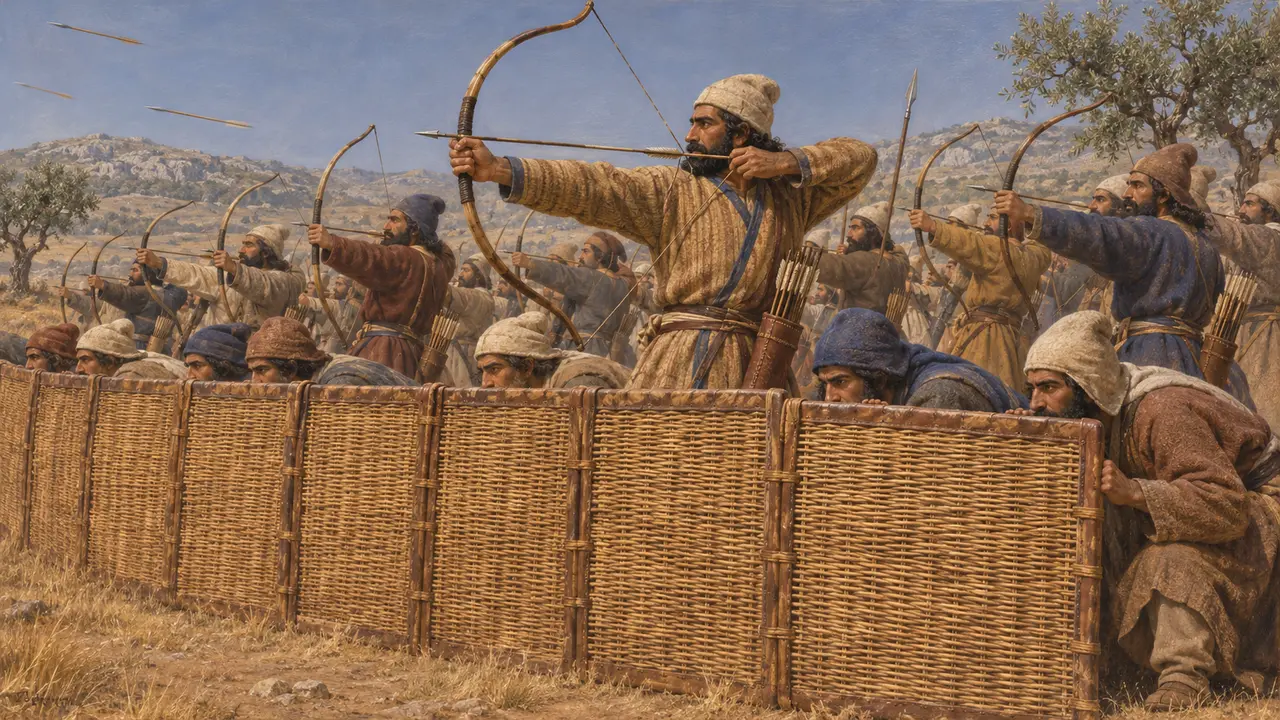
Shields in front, arrows behind
DisputedHerodotus describes the Persians at Plataea fighting from behind a fence of wicker shields while shooting volleys of arrows. Modern historians have reconstructed units with shield-bearers in the front rank and archers behind, but how far the ranks were separated, and how often this formation was used, is still argued. The evidence is thin and comes mostly from Greek writers describing Persian defeats.
Herodotus 9.61-62; D. Head, The Achaemenid Persian Army, 1992
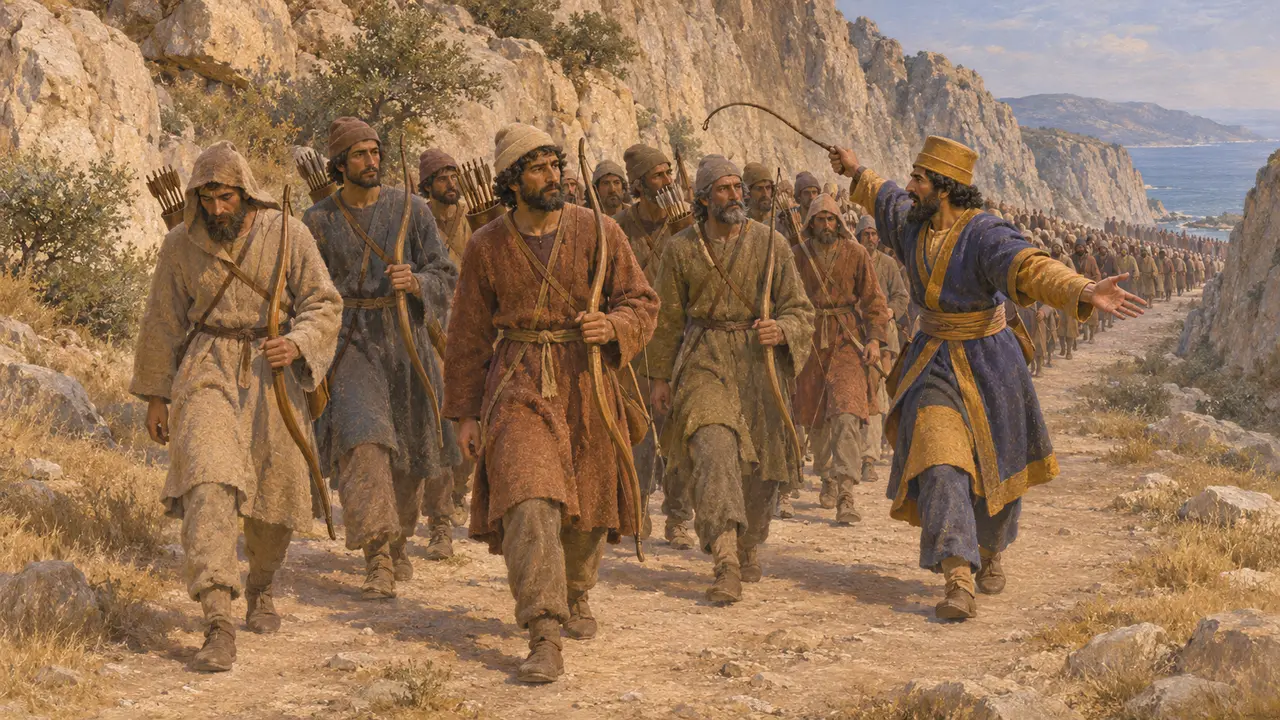
How many were raised
DisputedHerodotus gives Xerxes' land army as 1,700,000 foot in 480, a figure historians reject as greatly exaggerated; modern estimates are a small fraction of it and vary widely. Herodotus also says officers drove men forward with whips at Thermopylae, and Greek writers often set trained Persians against poorly armed subject levies. How far this reflects real differences, rather than Greek bias, is argued.
Herodotus 7.60; Herodotus 7.223; P. Briant, From Cyrus to Alexander, 2002
Sources
- Herodotus, Histories, books 1, 7 and 9
- M. Stolper, Entrepreneurs and Empire, 1985
- P. Briant, From Cyrus to Alexander, 2002
- D. Head, The Achaemenid Persian Army, 1992