The Arabs
Desert peoples of the Persian Empire's south-western borders, about 530-479 BCE
In the game: Level 2: The Spear-bearer
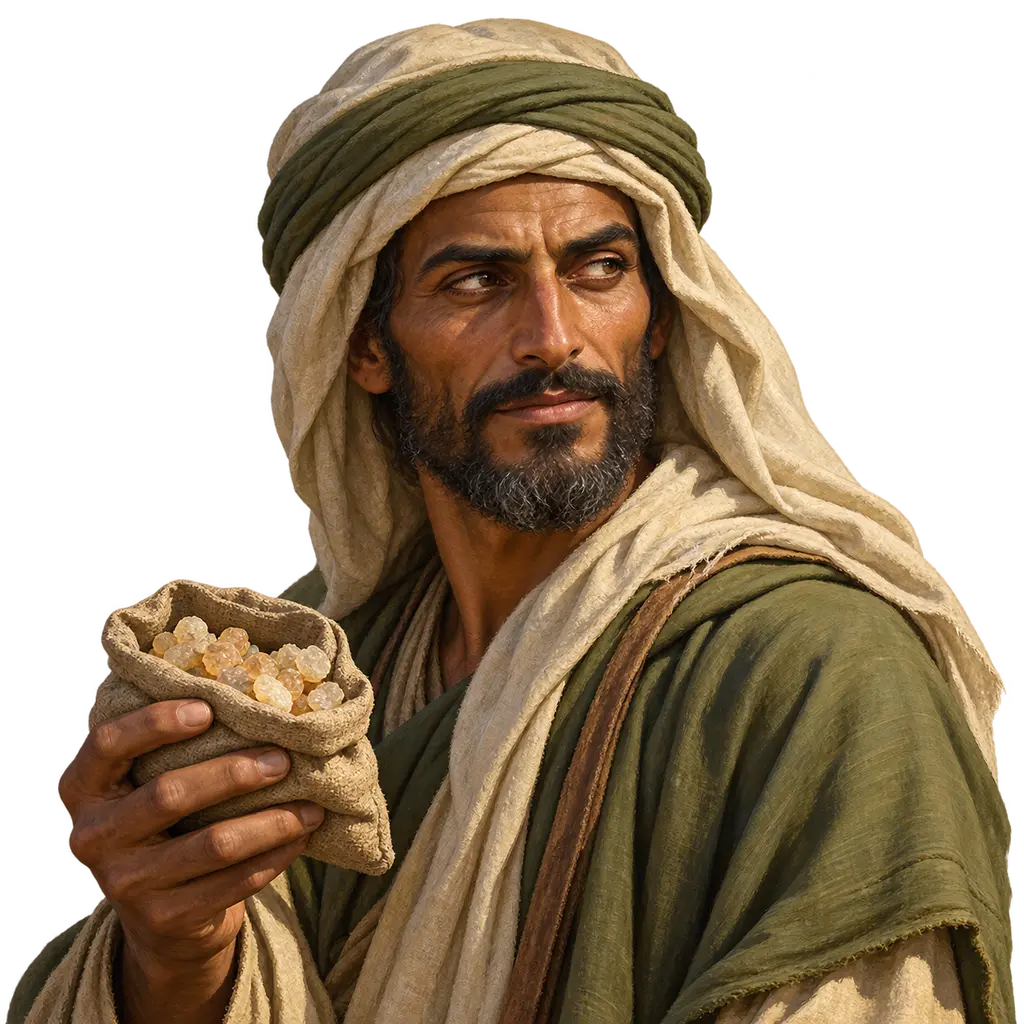
The Arabs of Achaemenid times were the camel-herding peoples of the deserts between Mesopotamia, Syria and Egypt. Some held the desert crossing to Egypt, and Arab traders carried incense up from the south. Persian inscriptions count Arabia among the King's lands, while Herodotus says the Arabs were the King's friends rather than his subjects.
In the game: The game shows the Arabs as trade partners and as camel riders in the King's army. Herodotus calls their yearly frankincense a gift, not trade, and describes Arab camel riders only in Xerxes' army of 480.
Arabaya in the King's lists
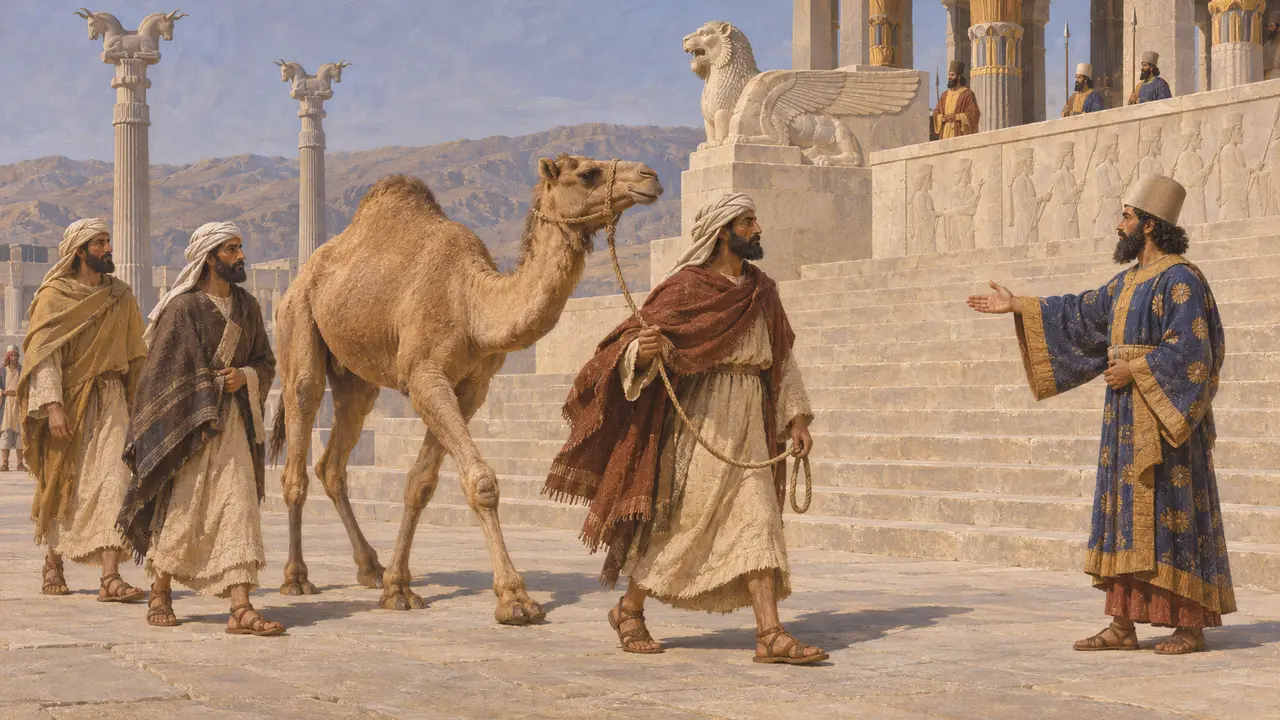
In the recordDarius's Behistun inscription names Arabaya among the lands that came to him as king. The name appears again in his later lists of lands, and a labelled throne-bearer on his tomb at Naqsh-e Rostam is called the Arab. On the Apadana stairways at Persepolis, modern scholars identify one delegation leading a dromedary as Arabs, though that relief carries no label.
DB §6; DNa; DNe; E. F. Schmidt, Persepolis I, 1953
Water for Cambyses
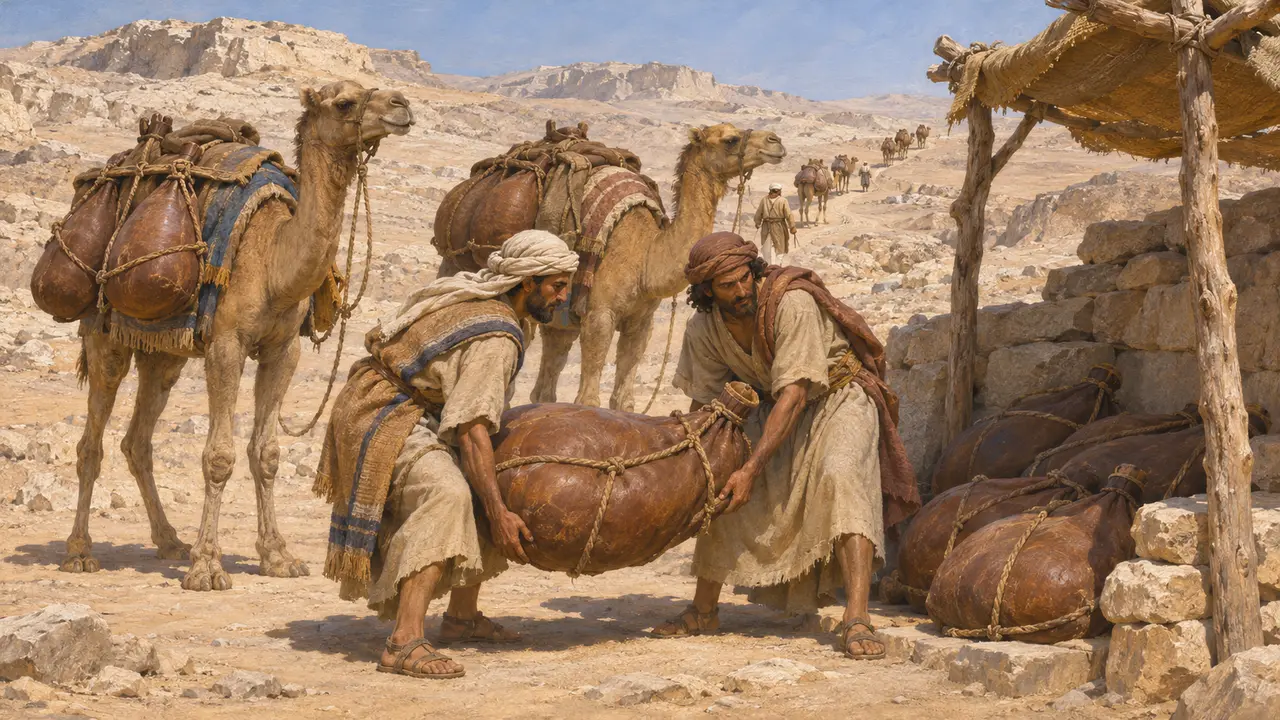
Ancient accountHerodotus says that when Cambyses planned to invade Egypt in 525, the Greek deserter Phanes advised him to ask the Arab king for safe passage across the waterless desert. The Arab king swore an oath and had camels carry skins of water to stations along the route. Herodotus describes the Arab way of swearing pledges, with blood smeared on stones, and names their gods as Orotalt and Alilat.
Herodotus 3.4-3.9
Friends or subjects
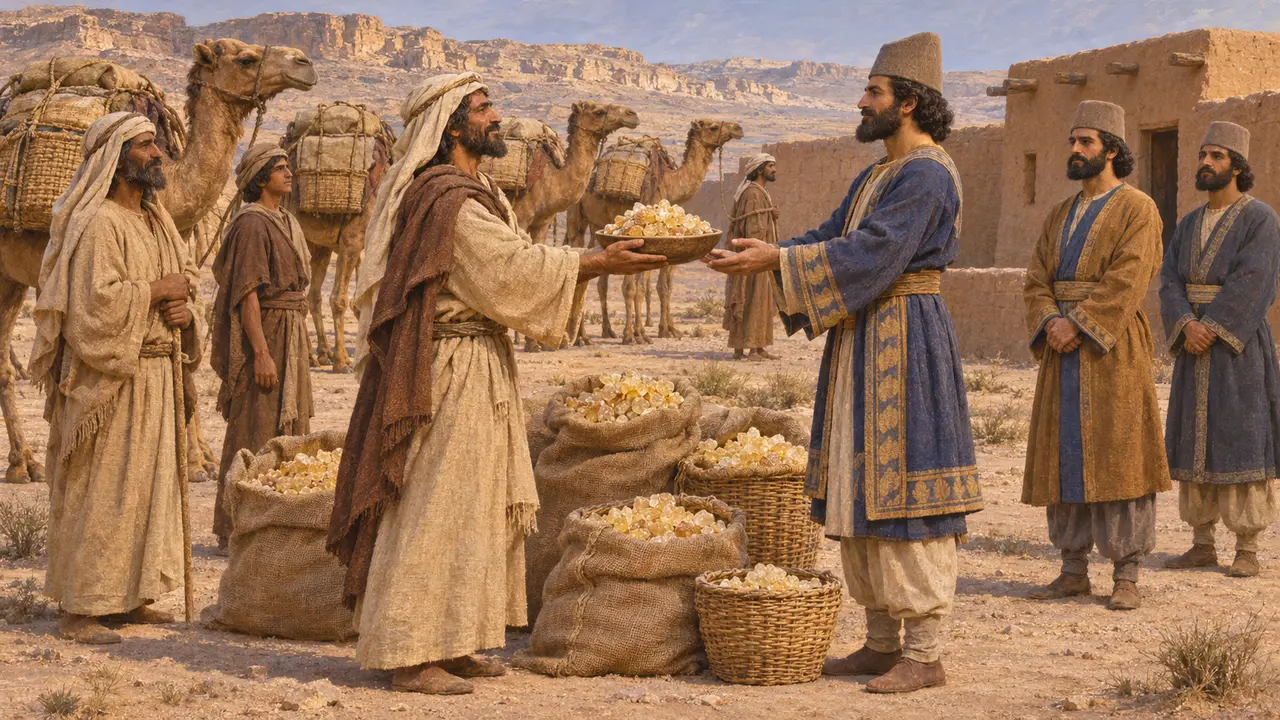
DisputedHerodotus says the Arabs were never made subject to Persia and paid no tax. Instead they gave the King a gift of 1,000 talents of frankincense each year. The Persian lists place Arabaya among the King's lands like any other. Historians also argue over which Arabs are meant: the Arabaya of the inscriptions may be the steppe between Mesopotamia and Syria, while Herodotus's allies held the Sinai crossing.
Herodotus 3.88, 3.91, 3.97; P. Briant, From Cyrus to Alexander, 2002
Camel riders in Xerxes' army
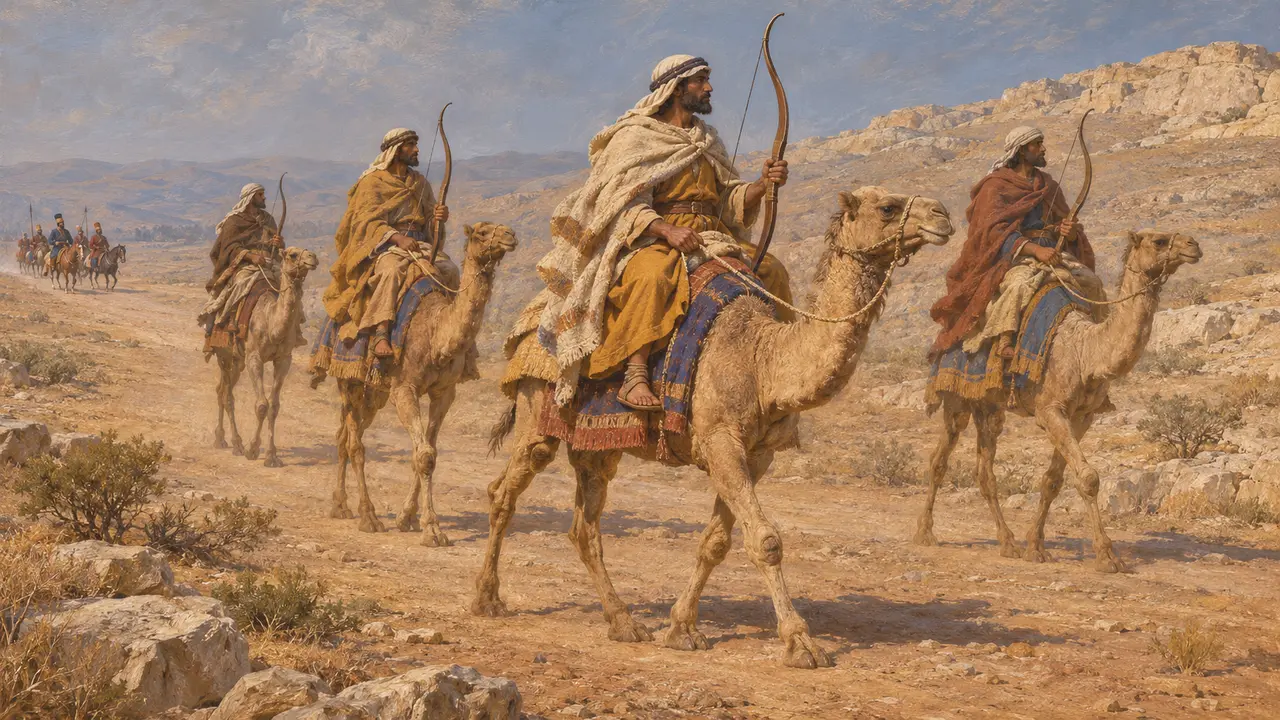
Ancient accountHerodotus says the Arabs in Xerxes' army wore long girded cloaks and carried long bows that curved backwards. Their camels were as fast as horses, and they were placed at the rear so that the camels would not frighten the cavalry horses. They served with the Ethiopians under Arsames, a son of Darius. Herodotus guesses 20,000 Arab camel riders and Libyan charioteers together, part of an army total historians think greatly exaggerated.
Herodotus 7.69, 7.86-7.87, 7.184
Incense and winged serpents
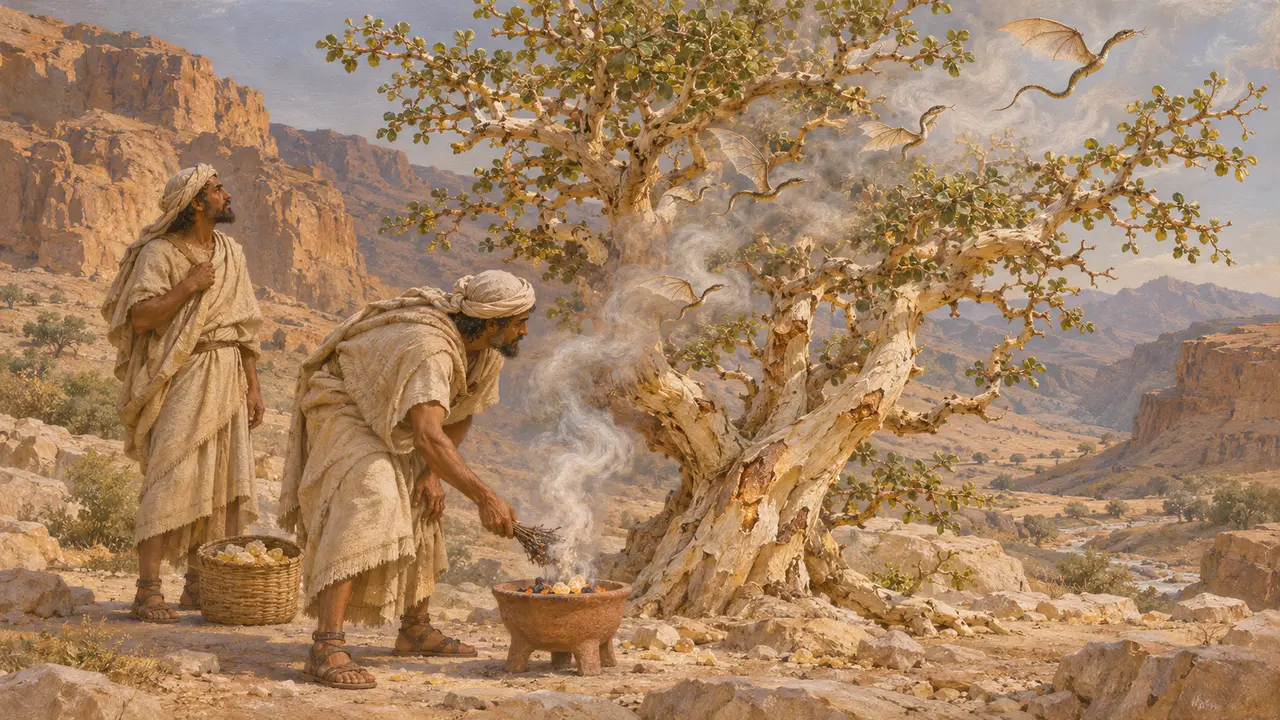
Later legendHerodotus repeats stories that small winged snakes guarded the frankincense trees of Arabia and were driven off with the smoke of burning storax. He also tells of cassia guarded by bat-like creatures and of cinnamon sticks taken from the nests of great birds. These are travellers' tales about a distant trade, not descriptions of how incense was gathered.
Herodotus 3.107-3.113
The emblem beside its name
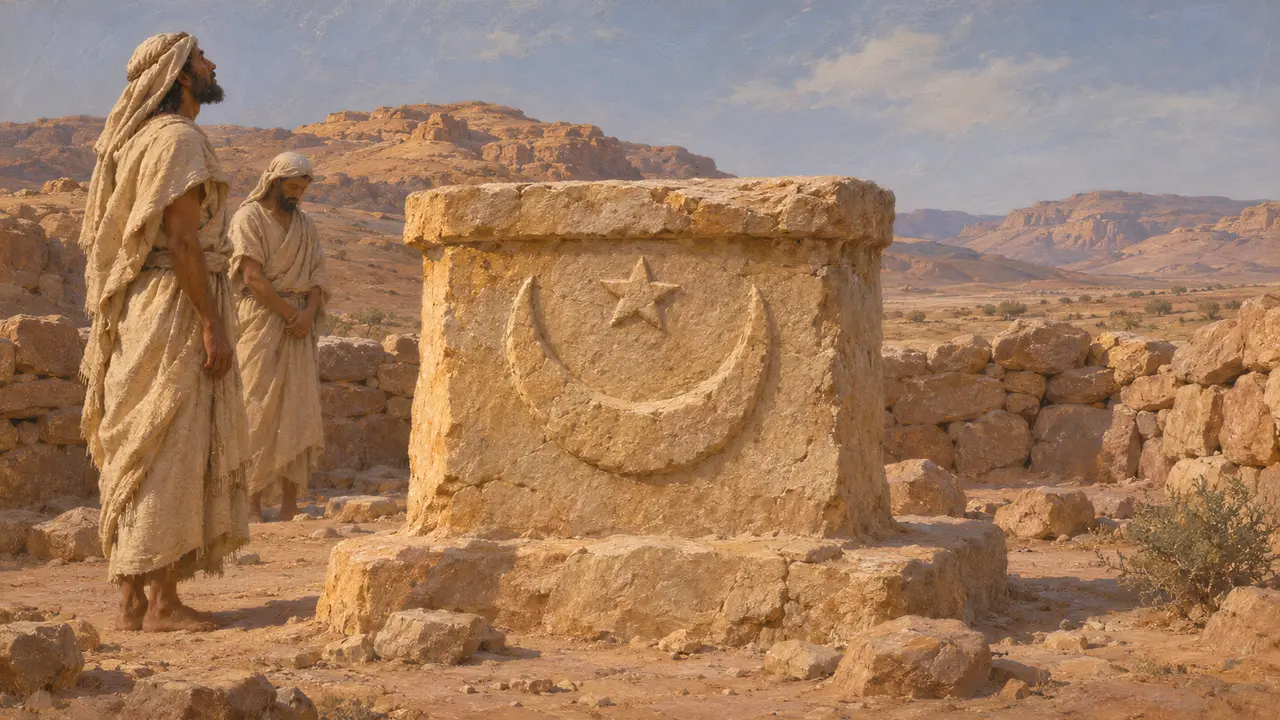
DisputedNo standard of the Arabs is attested. The game's crescent and star is interpretive: an astral emblem known from Arabian altars and inscriptions. Herodotus describes the Arabs' oath-taking and their gods, but no banner.
Herodotus 3.8; J. Retso, The Arabs in Antiquity, 2003
Sources
- Herodotus, Histories, books 3 and 7
- DB §6; DNa; DNe
- P. Briant, From Cyrus to Alexander, 2002
- I. Eph'al, The Ancient Arabs, 1982
- J. Retsö, The Arabs in Antiquity, 2003
- E. F. Schmidt, Persepolis I, 1953