Encyclopedia › Soldiers and ships
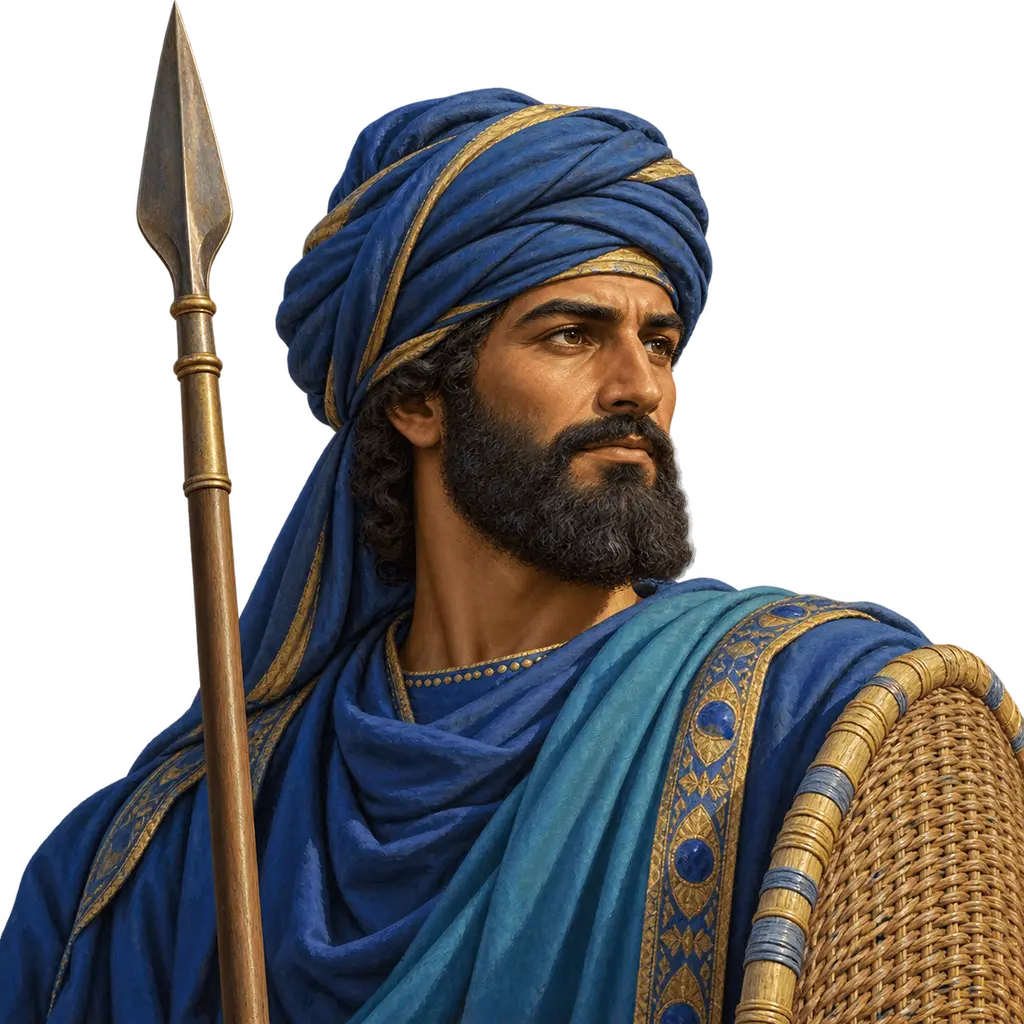
Cissian Spearman
Infantry from Susa and its plain in Xerxes' army, 480 BCE
In the game: Level 10: The Hot Gates
The Cissians were, to Greek writers, the people of the land around Susa, which the Persian inscriptions call Elam. Herodotus says they marched with Xerxes in 480 armed like Persians apart from their headgear. He also says they were among the first troops sent against the Greeks at Thermopylae. Their home lay at the heart of the empire, close to one of the King's chief residences.
In the game: The game shows Cissians as cheaper, quicker-to-raise spearmen, lighter than Persians. Herodotus says they were armed like Persians, bows included, apart from the mitra, so this is a game simplification.
Who the Cissians were
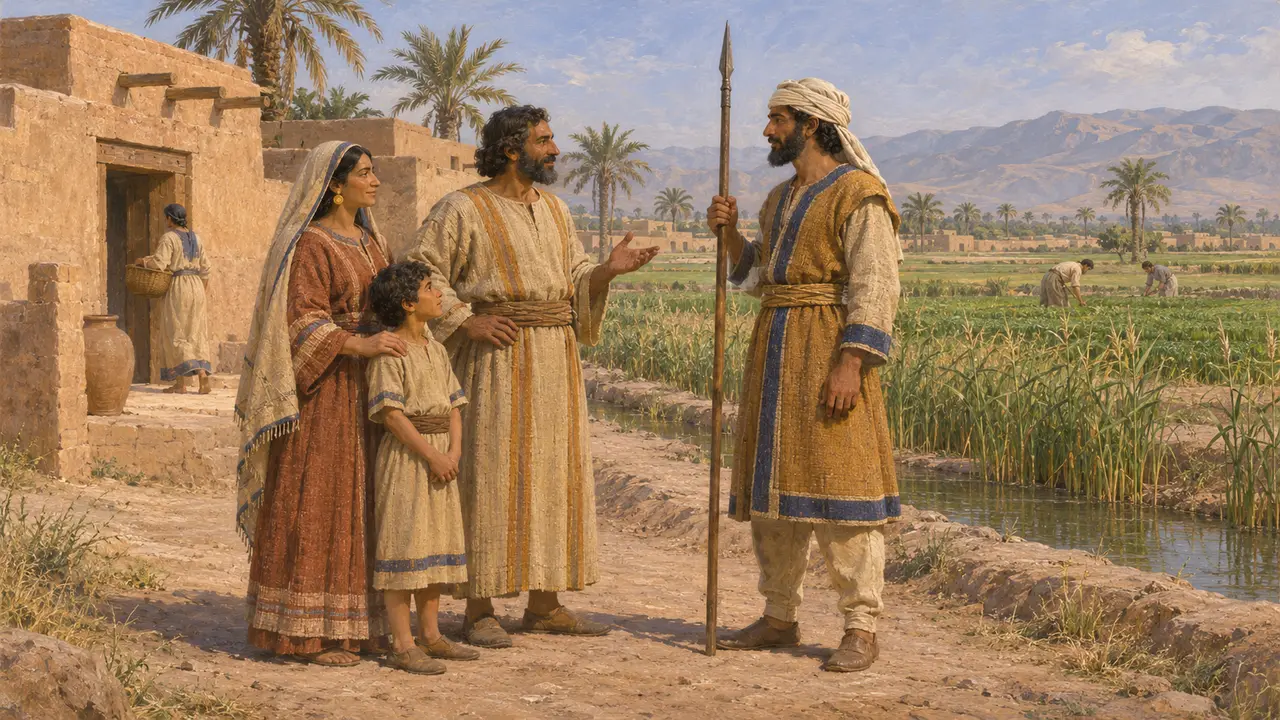
DisputedThe name Cissian is Greek. Herodotus calls the land round Susa Cissia and counts it as one tax district, and Aeschylus speaks of Cissian women mourning Xerxes' defeat. The Persian inscriptions never use the name and speak only of Elam. Most historians take Cissians to mean the people of the Susa plain, broadly Elamites, but whether the term covered all Elamites or only the lowland is still argued.
Herodotus 5.49, 3.91; Aeschylus, Persians; Strabo, Geography 15.3.2
Arms and dress in Herodotus
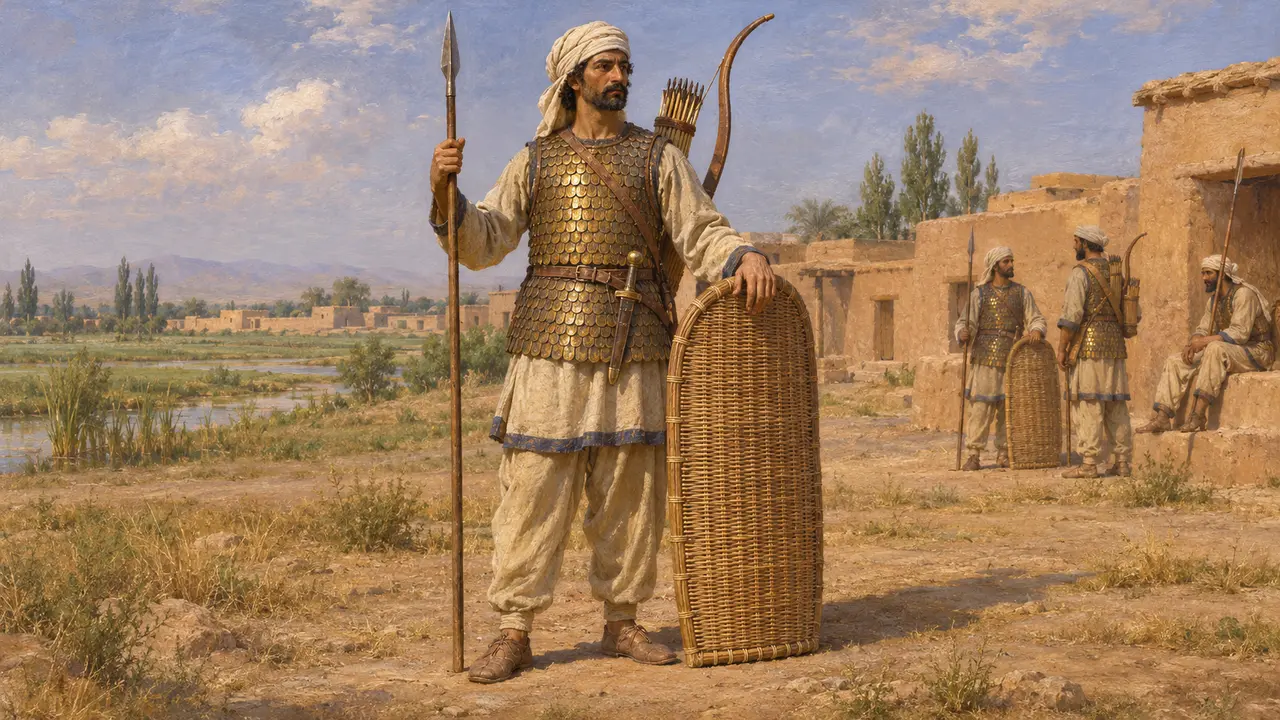
Ancient accountIn his list of Xerxes' army, Herodotus says the Cissians were equipped like the Persians but wore the mitra, a cloth head-wrap, instead of the Persian felt cap. Persian foot, he says, wore scale armour and carried wicker shields, short spears, large bows with reed arrows, and daggers. Their commander was Anaphes son of Otanes. The Cissian infantryman was therefore probably an archer as much as a spearman.
Herodotus 7.61-62
First into the pass at Thermopylae
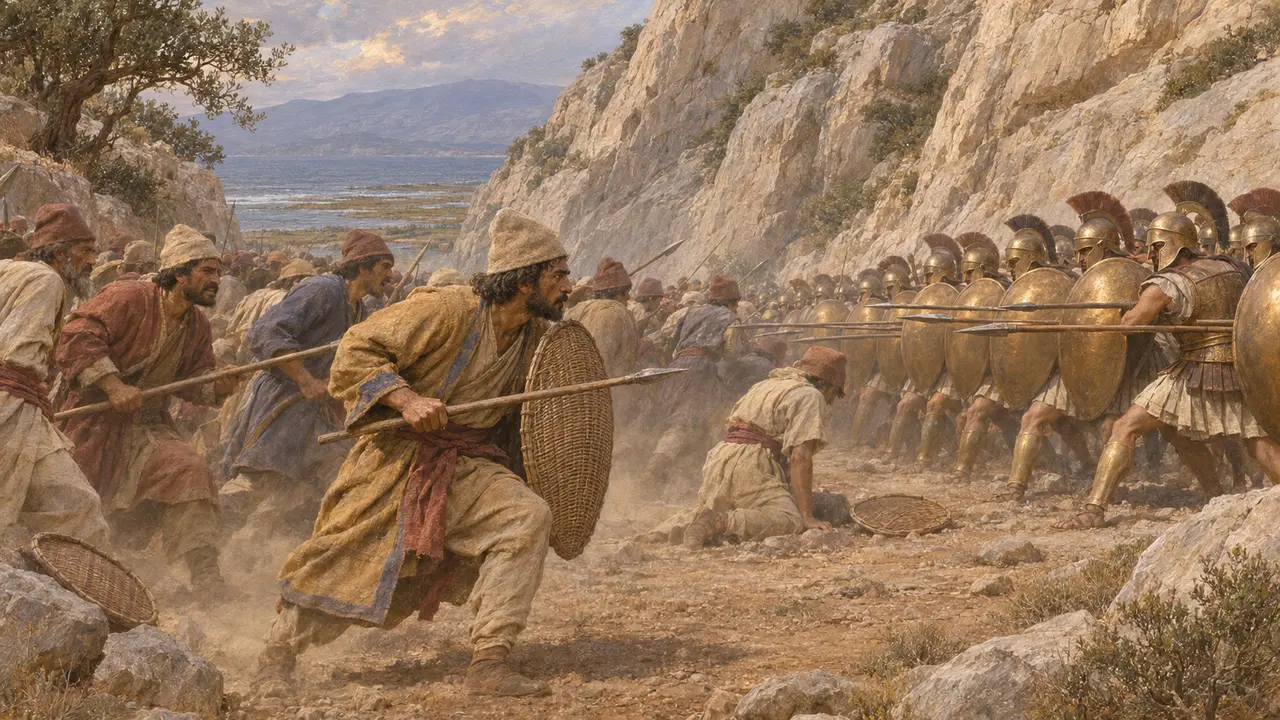
Ancient accountHerodotus says that in 480 Xerxes, angered that the Greeks held the pass, first sent the Medes and Cissians with orders to take them alive. They fought all day and lost heavily without breaking the Greek line, after which the King sent in Hydarnes and the Immortals. Herodotus uses the episode to show that the King had many men but few true soldiers, a Greek judgement shaped by the outcome.
Herodotus 7.210-211
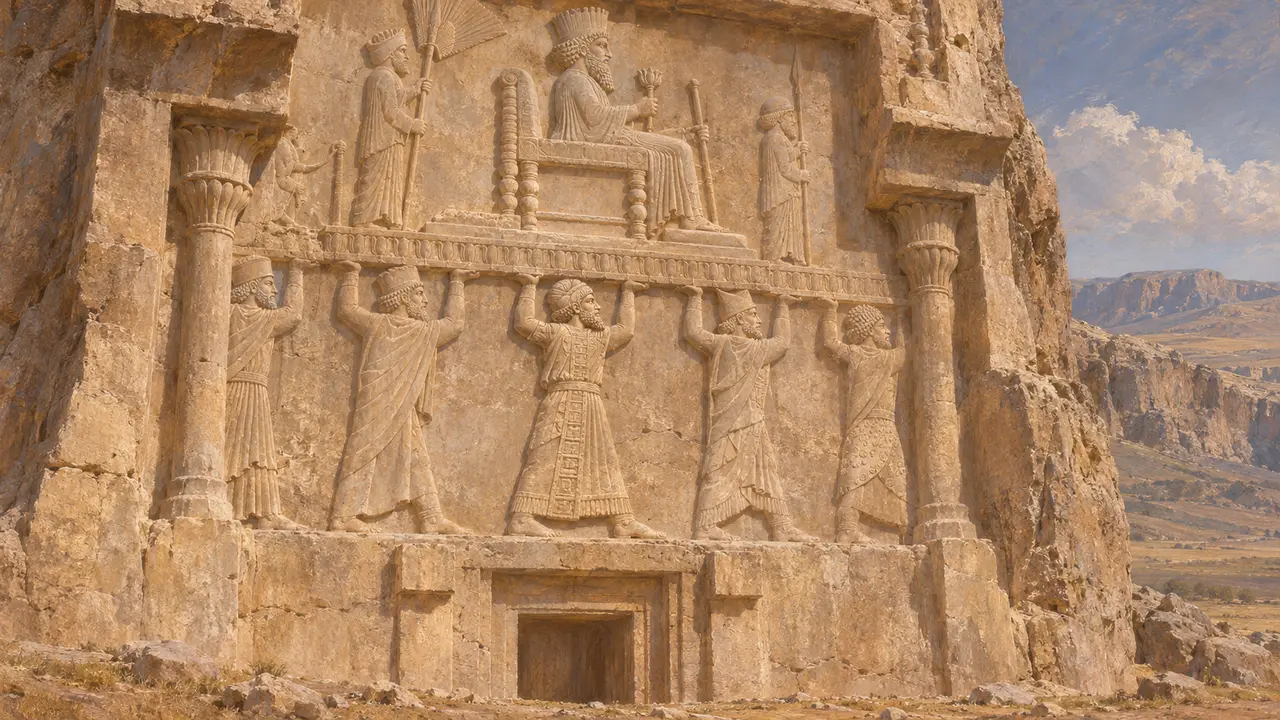
Elam in the Persian record
In the recordAt Behistun, Darius lists Elam among his lands and records that it rose against him three times, under Assina, Martiya and later Athamaita. An Elamite appears among the labelled throne-bearers on Darius's tomb at Naqsh-e Rostam. The Persepolis Fortification tablets were written mostly in Elamite, which shows how far Elamite scribal practice shaped Persian administration.
DB §6, §16, §22, §71; DNe; Persepolis Fortification tablets
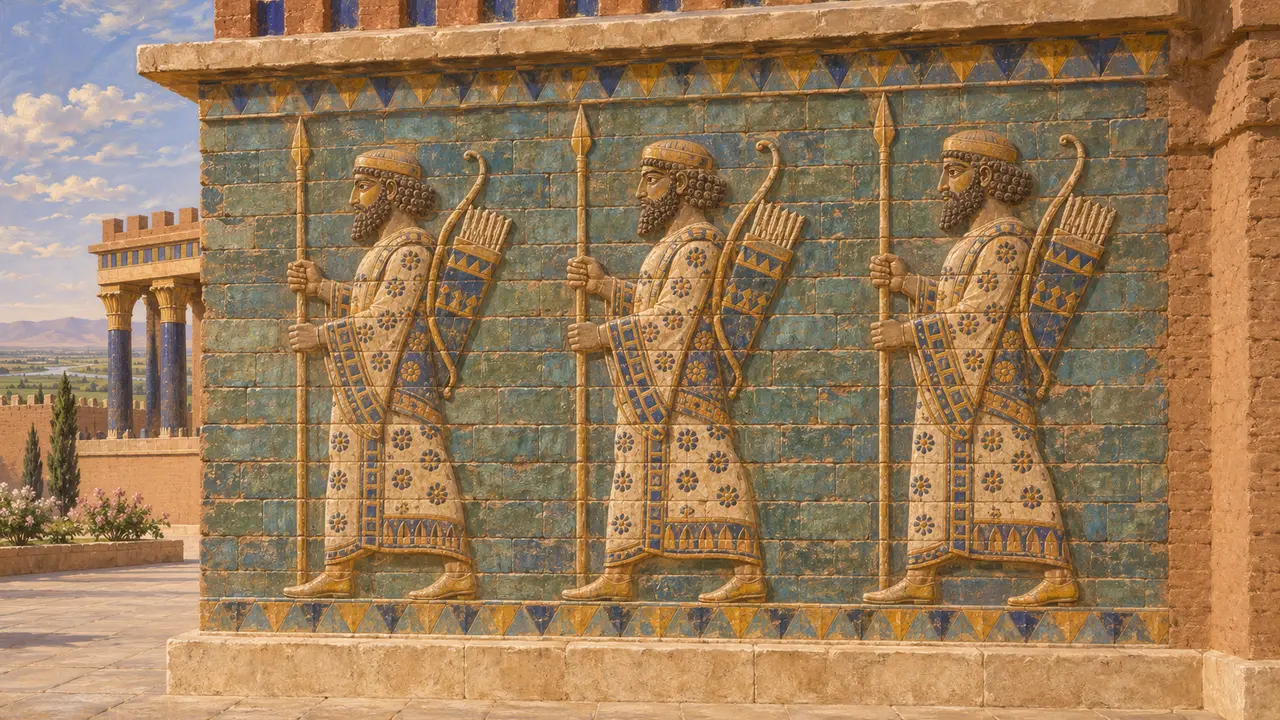
The archers of the Susa bricks
DisputedGlazed-brick panels from Darius's palace at Susa show rows of robed guards holding spears, with bows and quivers on their shoulders. They are often linked to the King's guard, but they carry no labels. Whether they show Persians, Elamites of Susa or an idealised royal guard is debated, so they cannot be taken as a portrait of Cissian soldiers.
P. Briant, From Cyrus to Alexander, 2002; D. T. Potts, The Archaeology of Elam, 1999
Sources
- Herodotus 7.61-62, 7.210-211, 3.91, 5.49
- Darius, Behistun inscription (DB)
- P. Briant, From Cyrus to Alexander, 2002
- D. T. Potts, The Archaeology of Elam, 1999
- W. Henkelman, The Other Gods Who Are, 2008
- Aeschylus, Persians