Encyclopedia › Soldiers and ships
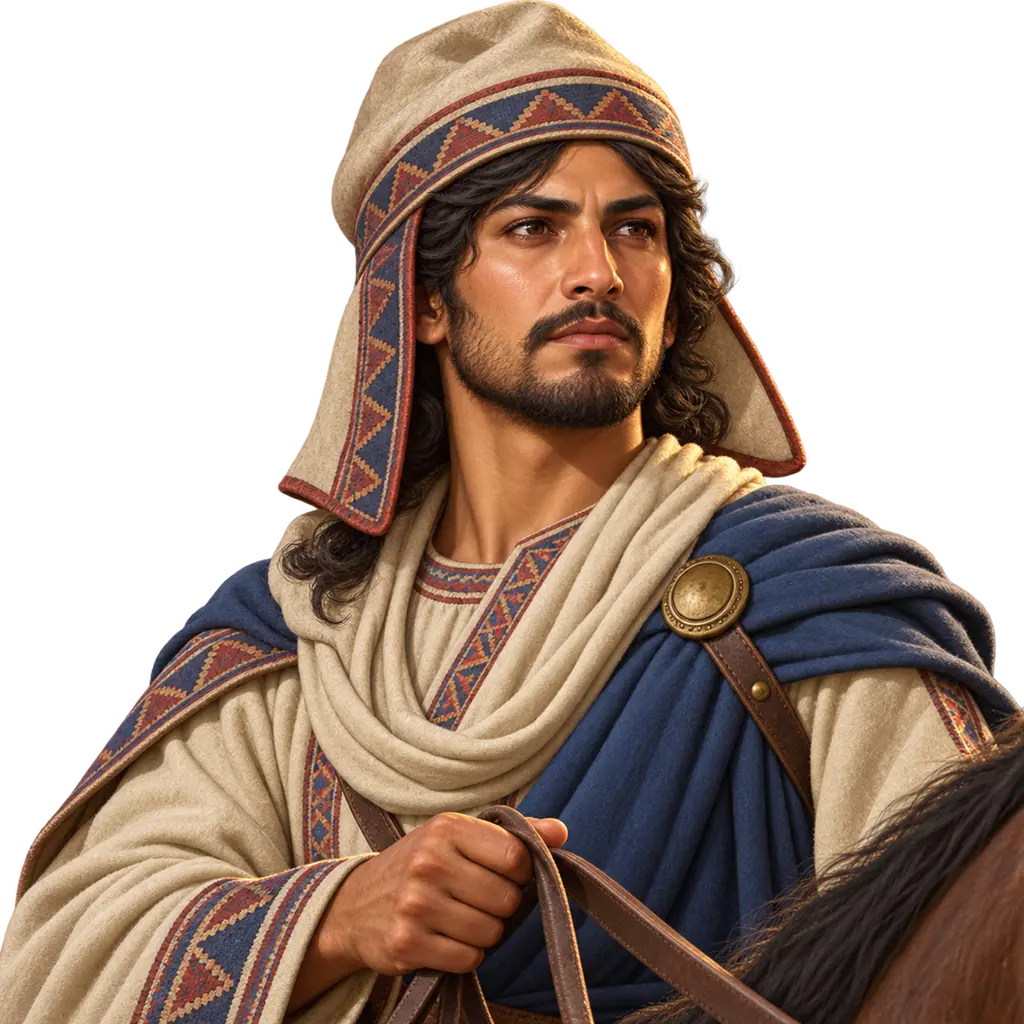
Persian Horseman
Mounted soldiers of the Achaemenid King's army, 6th to 5th centuries BCE
Persian horsemen were the mounted arm of the King's army, raised from the Persian nobility and from men who held land in return for service. They fought mostly with bow and javelin, riding close to shoot and pulling back before infantry could reach them. At Plataea in 479 they pressed the Greek army hard for days.
In the game: The game shows Persian horsemen as fast riders who run down archers and raiders and lose to spearmen. This simplifies history: many Persian riders were mounted archers and javelin men who harassed foot soldiers from a distance.
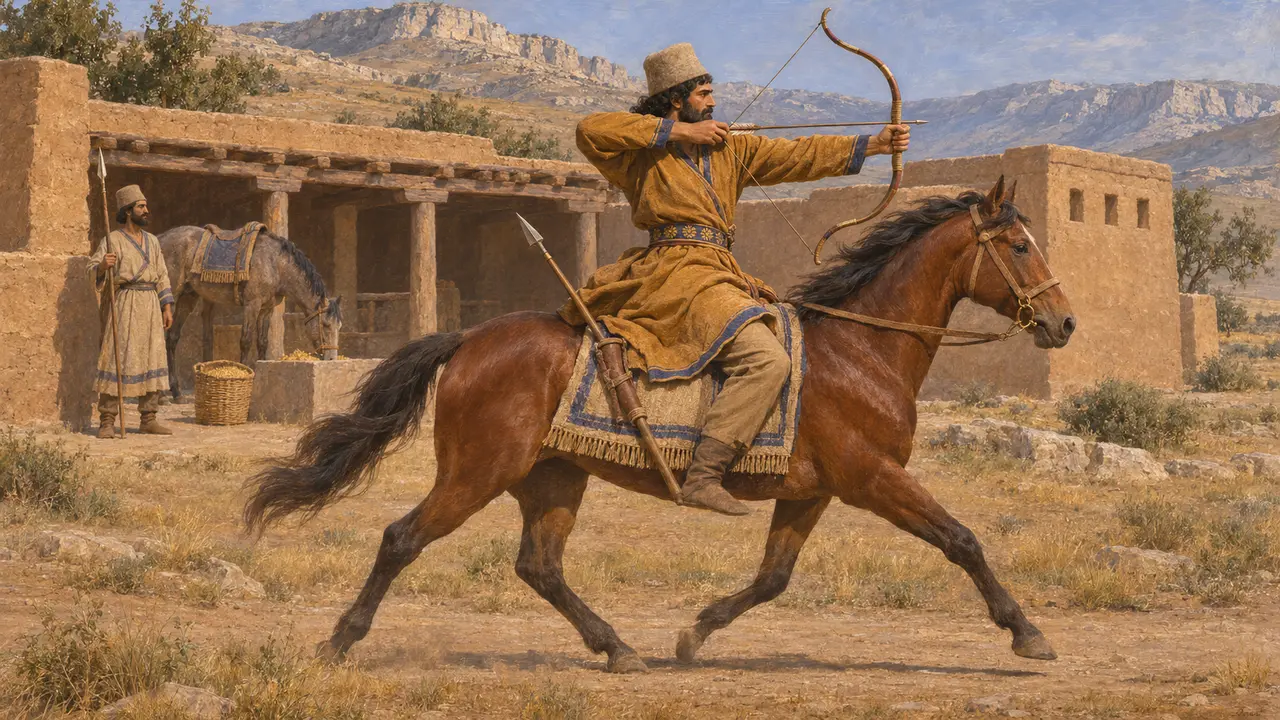
Good on foot and on horseback
In the recordOn his tomb at Naqsh-e Rostam, Darius had it written that he was a good horseman, and a good bowman and spearman both on foot and mounted. Riding and shooting were the skills by which a Persian noble showed his worth. The Persepolis Fortification tablets record grain issued as fodder for horses, including those of travellers on the royal roads.
DNb; Persepolis Fortification tablets
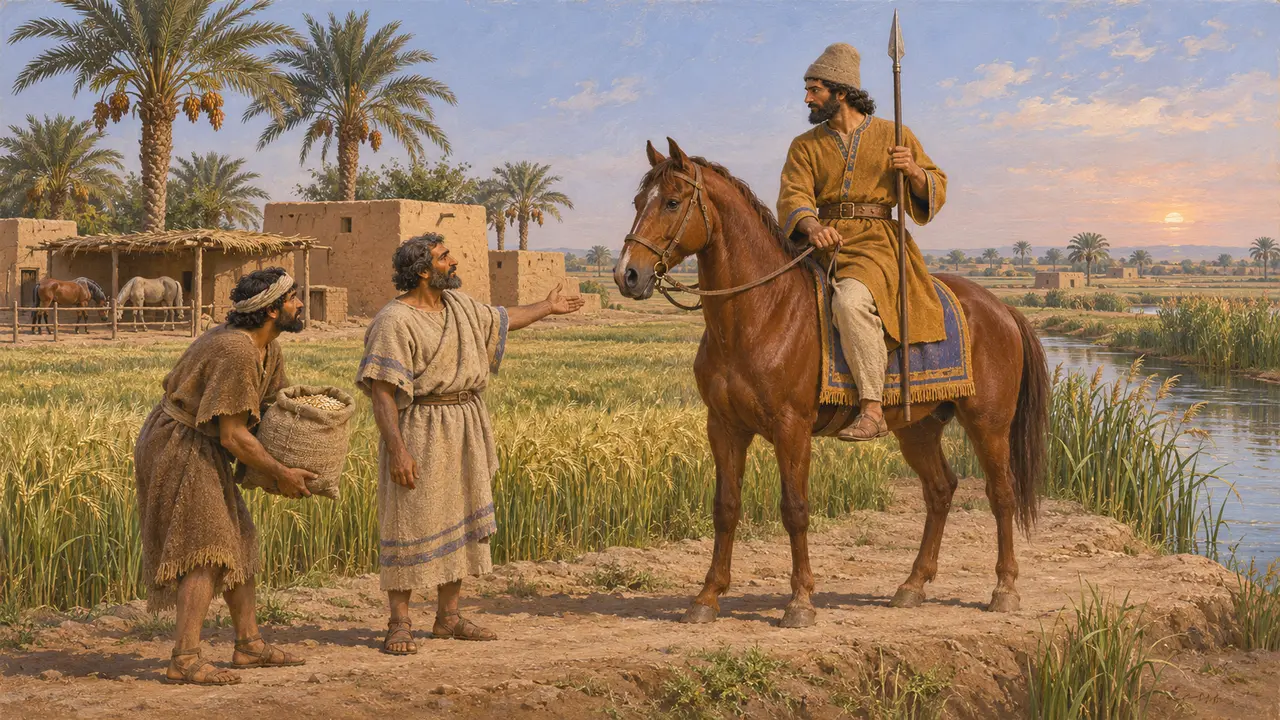
Land that owed a horse
In the recordBabylonian business archives, above all the Murashu texts, record plots called horse-land alongside bow-land and chariot-land. Groups of holders received such land and owed military service from it, or paid silver instead. These texts date from the later 5th century, after 479, but they show how the empire supported its soldiers, horsemen among them.
Murashu archive; M. Stolper, Entrepreneurs and Empire, 1985
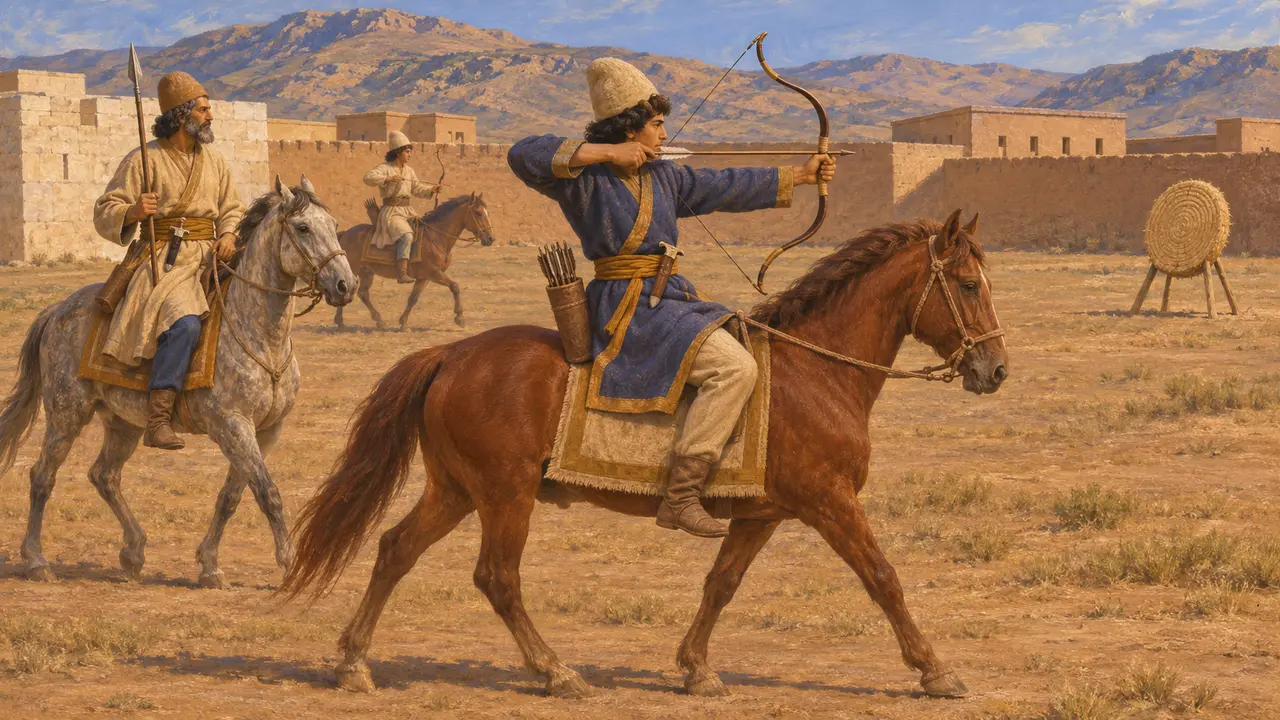
Herodotus on training and arms
Ancient accountHerodotus says Persian boys were taught three things from five to twenty: to ride, to shoot the bow and to speak the truth. In his list of Xerxes' army he says the Persian cavalry carried the same arms as the foot, bow, short spear and dagger, though some wore helmets of beaten bronze or iron.
Herodotus 1.136; 7.84
The cavalry at Plataea
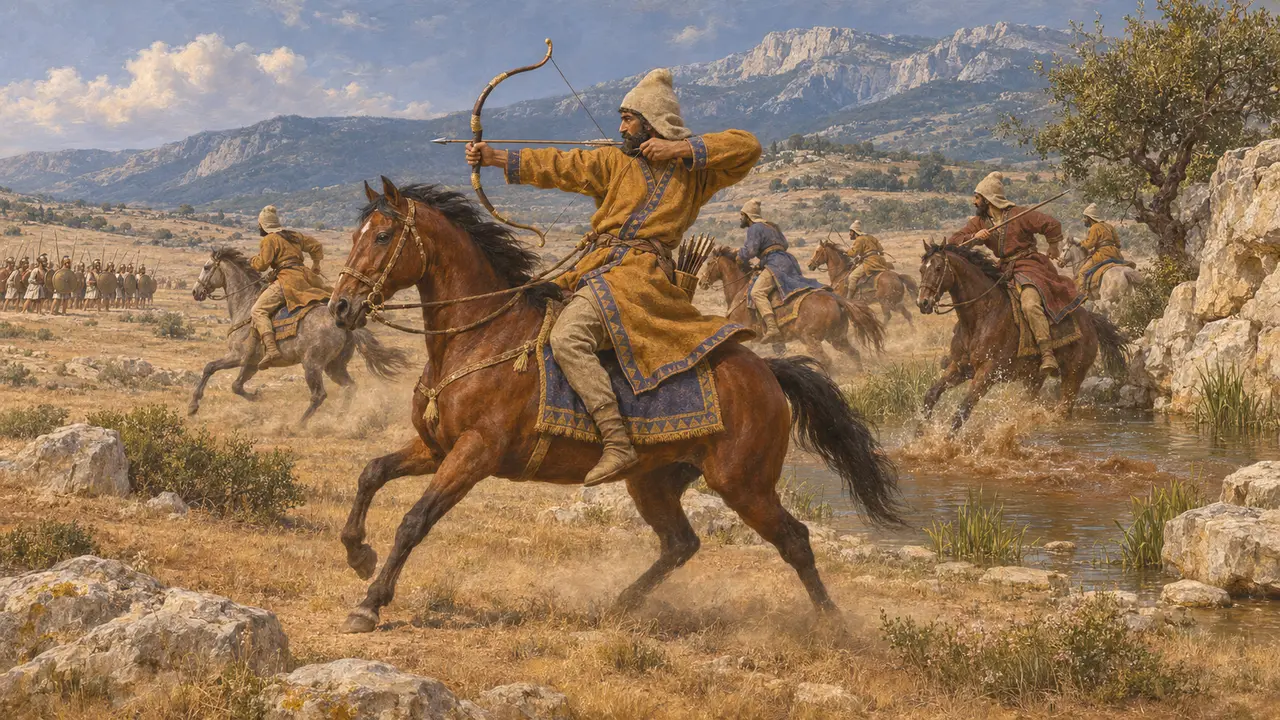
Ancient accountHerodotus says the horsemen under Masistius attacked the Greeks in relays until Masistius was killed. Afterwards the cavalry kept up its attacks, shooting arrows and javelins from horseback so that the Greeks could not close with them. They also fouled the Gargaphia spring that the Greek army drank from.
Herodotus 9.20-25; 9.49
The missing cavalry at Marathon
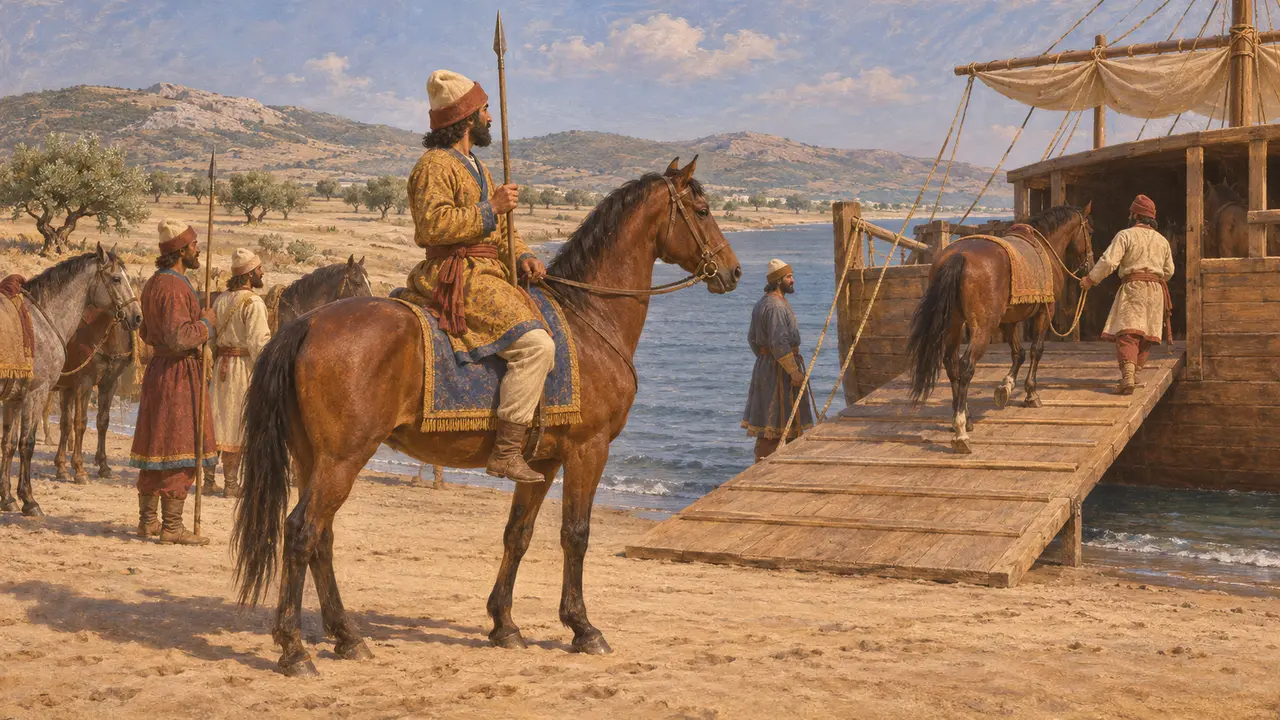
DisputedHerodotus says Hippias guided the Persians to Marathon because the ground suited horsemen, yet cavalry plays no part in his account of the battle. Some historians think the horses had been re-embarked or sent elsewhere, and the Suda, a Byzantine dictionary, links the phrase "the cavalry are away" to Marathon. Others think few horses were landed at all. No source settles the question.
Herodotus 6.102; 6.112; Suda
Xenophon's Cyrus makes Persians ride
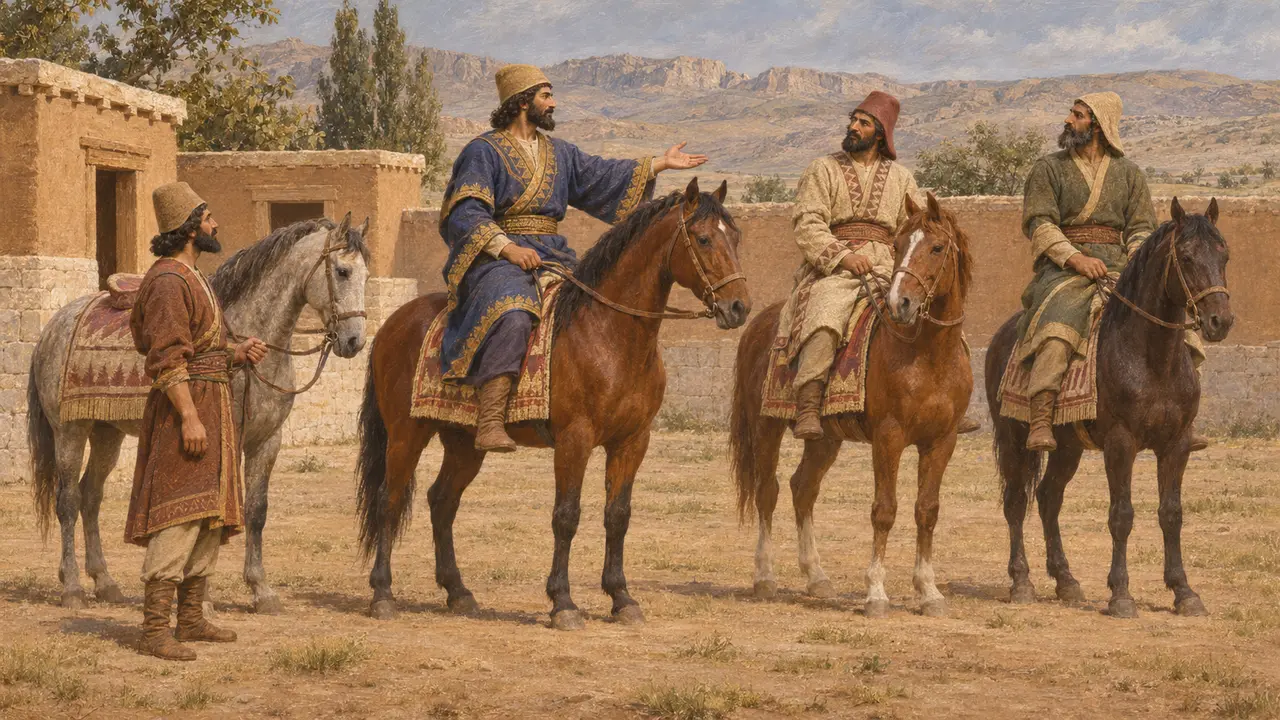
Later legendXenophon wrote his Education of Cyrus in the 4th century as a moral tale about kingship, not as a history. In it Cyrus persuades the Persians, who had fought on foot, to become horsemen, and makes it shameful for a Persian of rank to be seen going on foot. The story fits Greek ideas of Persia better than the record of Cyrus's reign.
Xenophon, Cyropaedia 4.3
Sources
- Herodotus, Histories 1.136, 6.102, 6.112, 7.84, 9.20-25, 9.49
- DNb (Darius's tomb inscription, Naqsh-e Rostam)
- R. T. Hallock, Persepolis Fortification Tablets, 1969
- M. Stolper, Entrepreneurs and Empire, 1985
- P. Briant, From Cyrus to Alexander, 2002
- Xenophon, Cyropaedia 4.3