Encyclopedia › Soldiers and ships
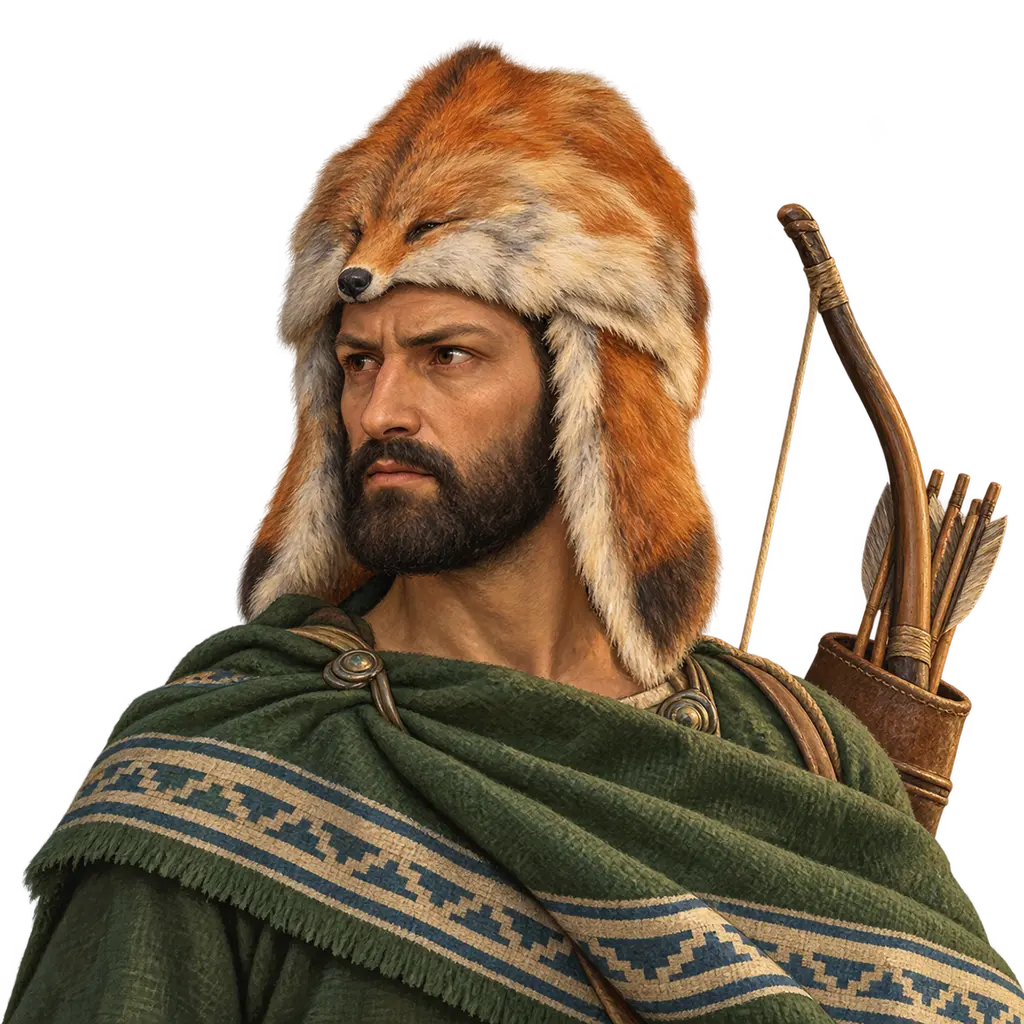
Thracian warriors
Tribal fighters of Thrace, subjects and soldiers of the King, about 513-479 BCE
In the game: Level 9: The Canal
The Thracians were the many peoples living between the Aegean, the Black Sea and the Ister, divided into tribes under their own chiefs and kings. Persia drew coastal Thrace into the empire under Darius, and in 480 Thracian contingents marched with Xerxes, lightly armed with javelins, small shields and daggers.
In the game: At Athos the game fields Thracian archers, riders, peltasts and chiefs; the peltast is an unarmoured javelin-man with a crescent shield. Herodotus mentions no Thracian bows, and by 480 most coastal Thracians were the King's subjects.
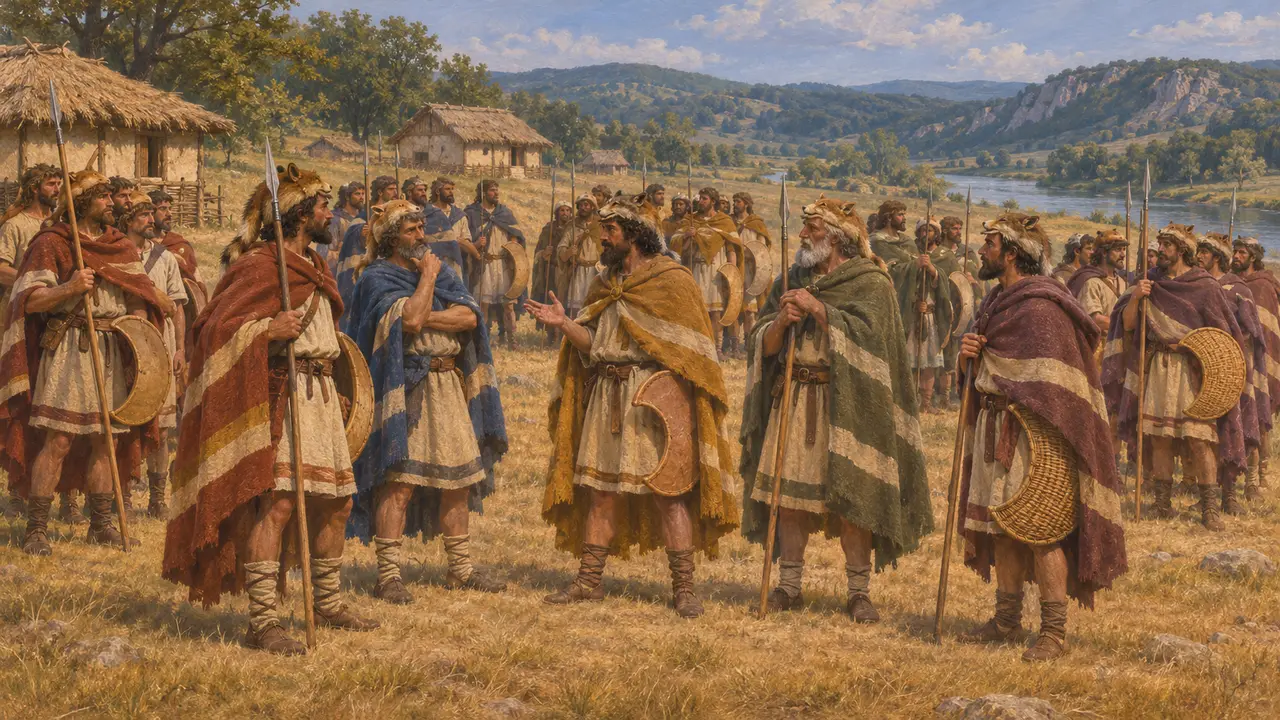
A people of many tribes
Ancient accountHerodotus calls the Thracians the most numerous people on earth after the Indians. He says they would be the strongest of all if they could unite under one ruler or one purpose, but that they never did. He names many tribes, among them the Getae, the Edoni, the Bistones, the Satrae and the Brygi, each with its own customs and leaders.
Herodotus 5.3; 6.45; 7.110
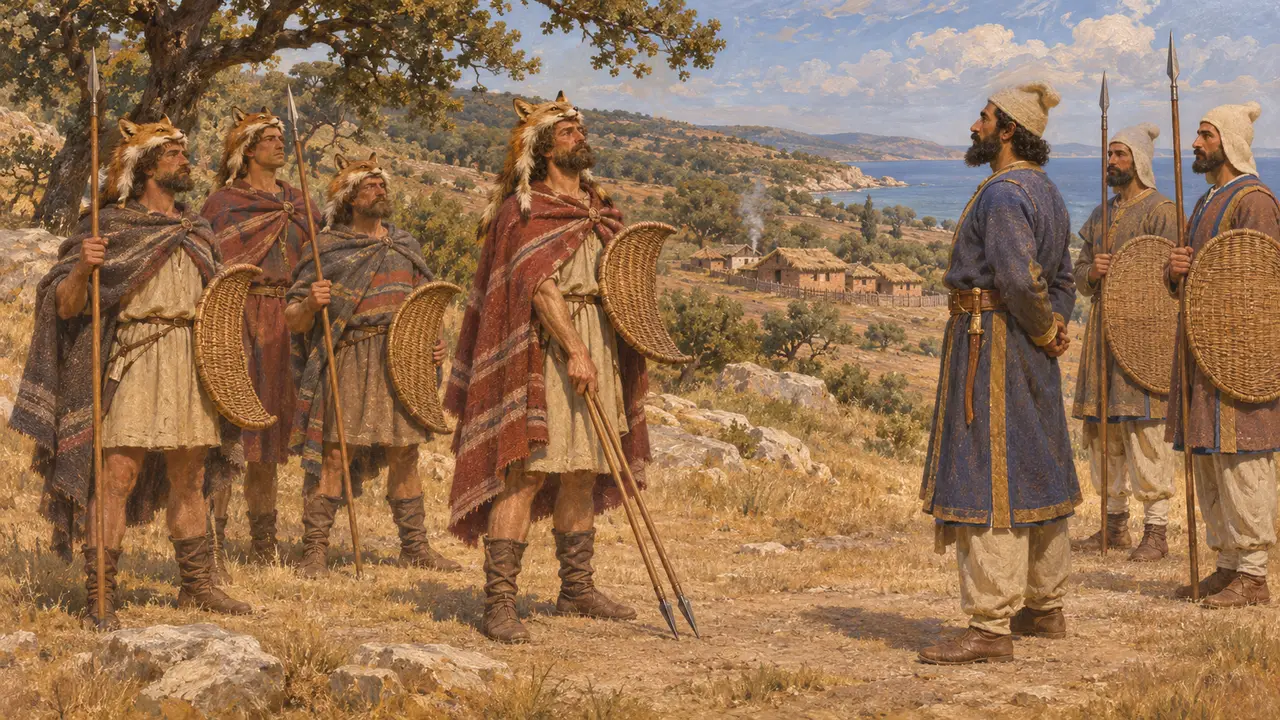
Coming under Persian rule
Ancient accountHerodotus says Darius subdued the Getae on his march to the Ister about 513, and that his general Megabazus then brought the peoples of the Thracian coast under the King. The Persian hold probably weakened during the Ionian revolt. In 492 Mardonius reasserted it, though the Brygi attacked his camp by night and wounded him; Herodotus says he did not withdraw until he had subdued them.
Herodotus 4.93; 5.2; 6.44-45
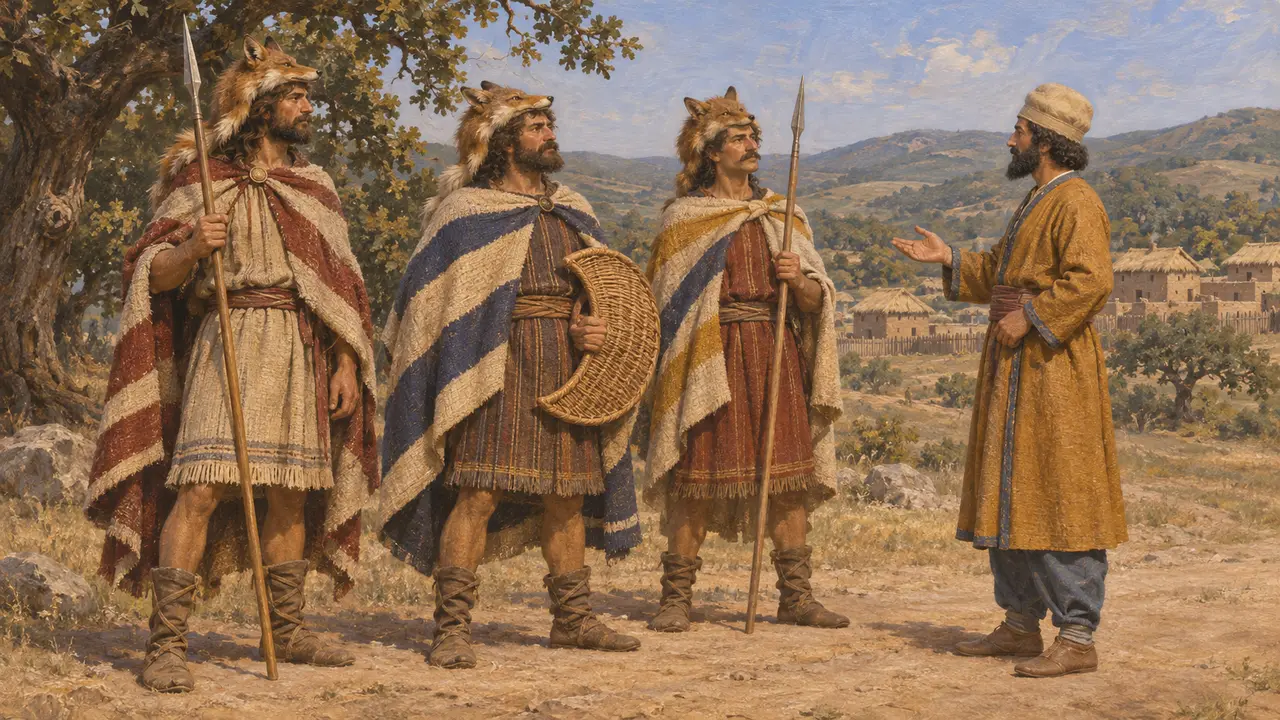
Skudra in the Persian lists
DisputedDarius's inscriptions, including his tomb inscription at Naqsh-e Rostam, list a land called Skudra among the King's peoples, and the Persepolis Fortification tablets record workers labelled Skudrians. Many historians equate Skudra with Thrace or part of it. Others argue the name covered a wider or shifting area in Europe, and that the tablet label need not mean the workers had come from Thrace at all.
DNa; W. Henkelman and M. Stolper, Ethnic Identity and Ethnic Labelling at Persepolis: The Case of the Skudrians, 2009
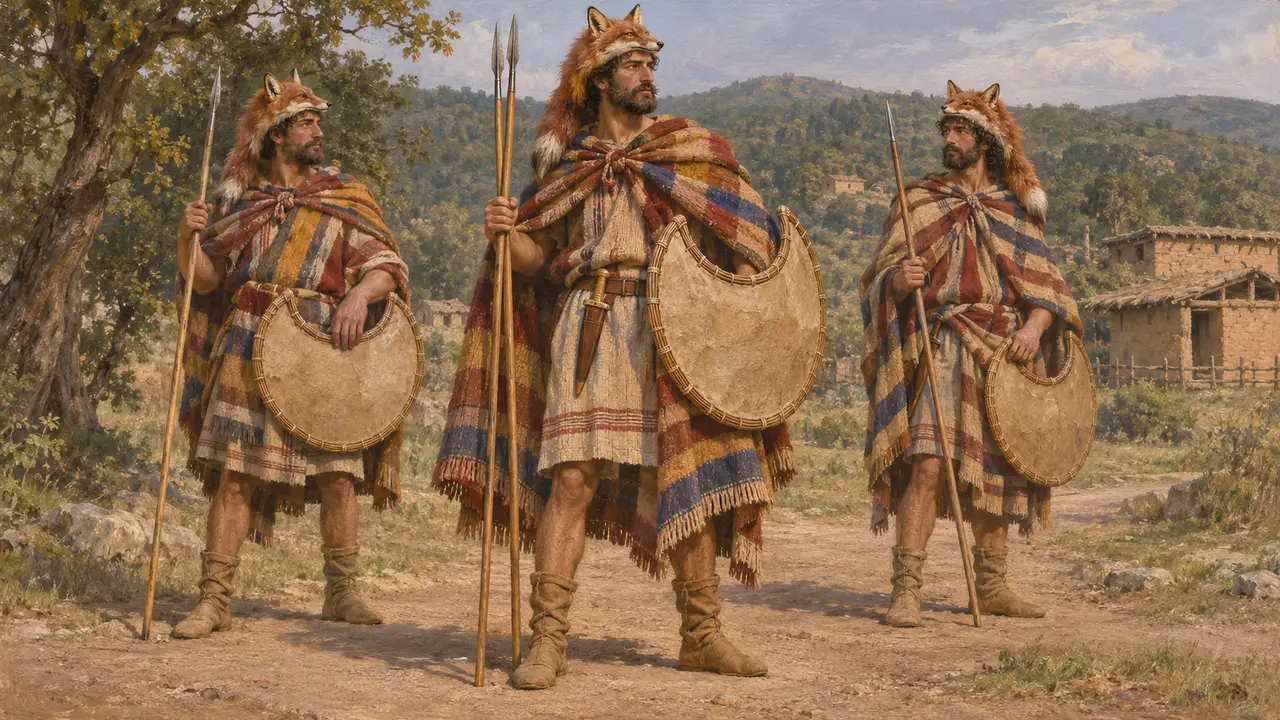
Arms and dress in Xerxes' army
Ancient accountHerodotus describes the Thracians in Xerxes' army wearing fox-skin caps, tunics under many-coloured cloaks and fawn-skin boots, and carrying javelins, light shields and small daggers. He mentions no body armour. He adds that these were Thracians who had crossed into Asia, where they were called Bithynians. Greek vase painters often showed Thracians with a crescent shield, the pelte, which gave its name to the light troops later called peltasts.
Herodotus 7.75; J. G. P. Best, Thrakian Peltasts and their Influence on Greek Warfare, 1969
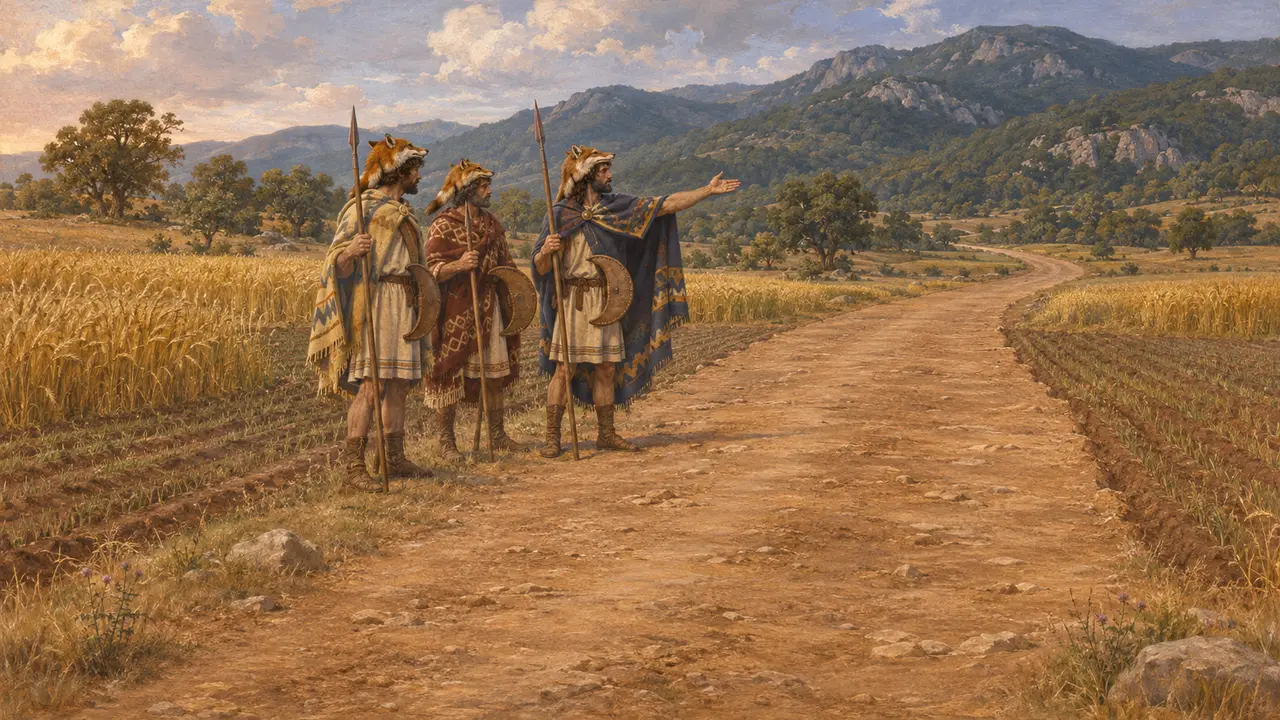
Along the King's road
Ancient accountHerodotus lists the Thracian peoples whose land Xerxes crossed and says they were made to march with his army. The Satrae of the mountains, he says, had never been anyone's subjects and kept an oracle of Dionysus. He adds that in his own day the Thracians still honoured the road Xerxes had taken and would not plough or sow it.
Herodotus 7.110-111; 7.115
Sources
- Herodotus, Histories, books 4-8
- DNa
- W. Henkelman and M. Stolper, Ethnic Identity and Ethnic Labelling at Persepolis: The Case of the Skudrians, 2009
- P. Briant, From Cyrus to Alexander, 2002
- Z. Archibald, The Odrysian Kingdom of Thrace, 1998
- J. G. P. Best, Thrakian Peltasts and their Influence on Greek Warfare, 1969