Trade charter
Royal tolls, tribute and commerce in the Achaemenid empire, about 530-479 BCE
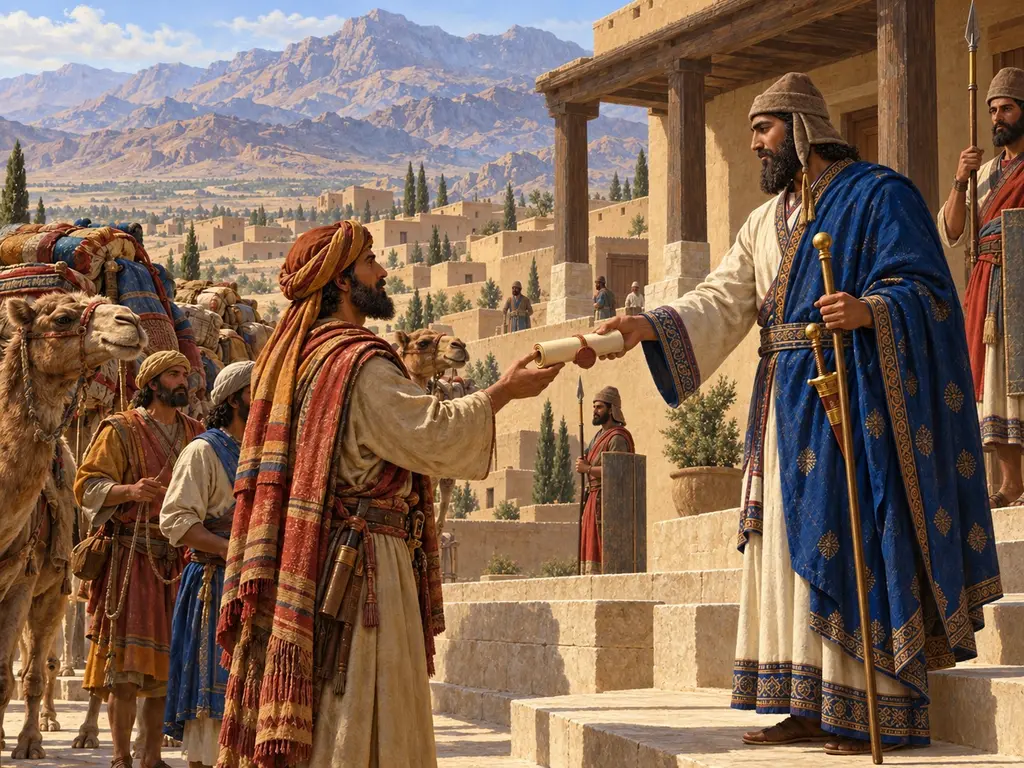
No Achaemenid order called a trade charter is known. The Persian kings drew goods from every land through tribute, requisition and tolls, and merchants moved along roads, rivers and sea lanes that royal power kept open and taxed. The surviving evidence shows a state that profited from commerce more than it granted trading privileges.
In the game: A standing order on the Ledger's Taxes page costs silver each month; in return the city pays less for goods and is paid more. This is a game simplification. DSf records materials and workers sent to Susa, not trade privileges.
What the Susa charter lists
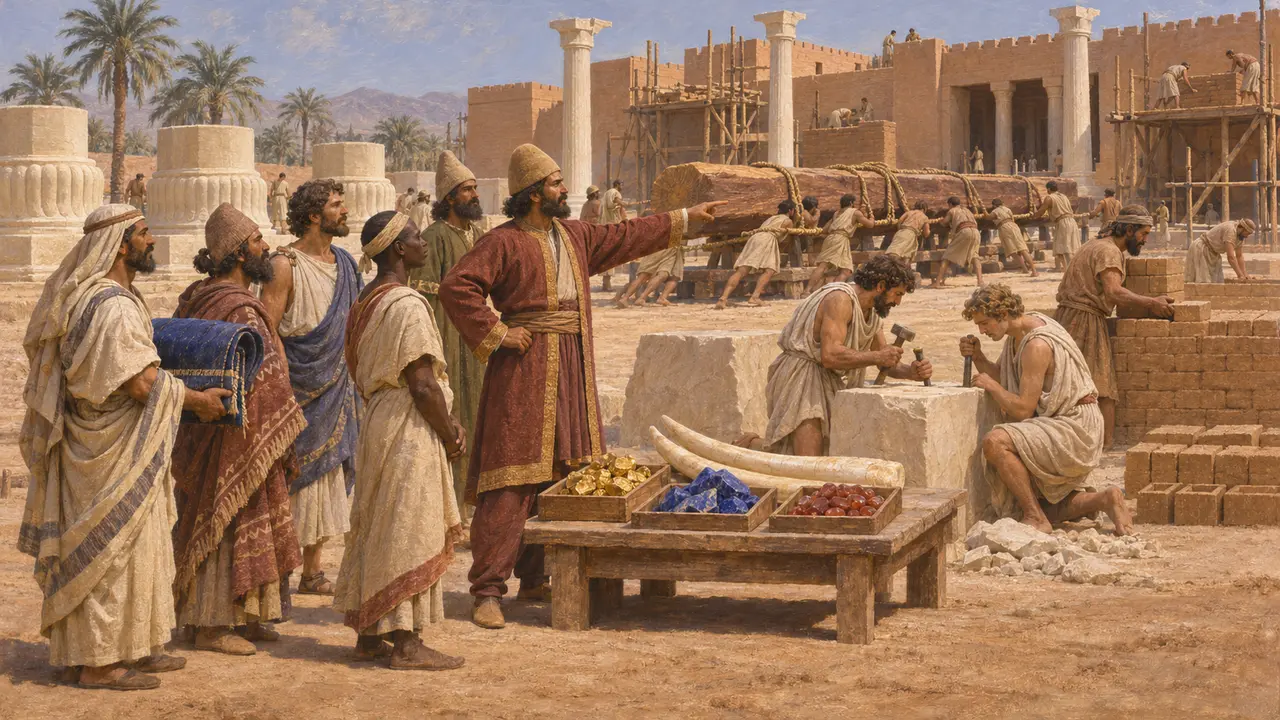
In the recordDarius's foundation charter for his palace at Susa names the materials brought for it and the peoples who brought or worked them. They include cedar from Lebanon, gold from Sardis and Bactria, lapis lazuli and carnelian from Sogdiana, and ivory from Kush, India and Arachosia. Ionians and Sardians cut the stone and Babylonians made the bricks. The text celebrates the King's reach over his subjects and records royal demand, not free trade.
DSf
Customs duties on ships entering Egypt
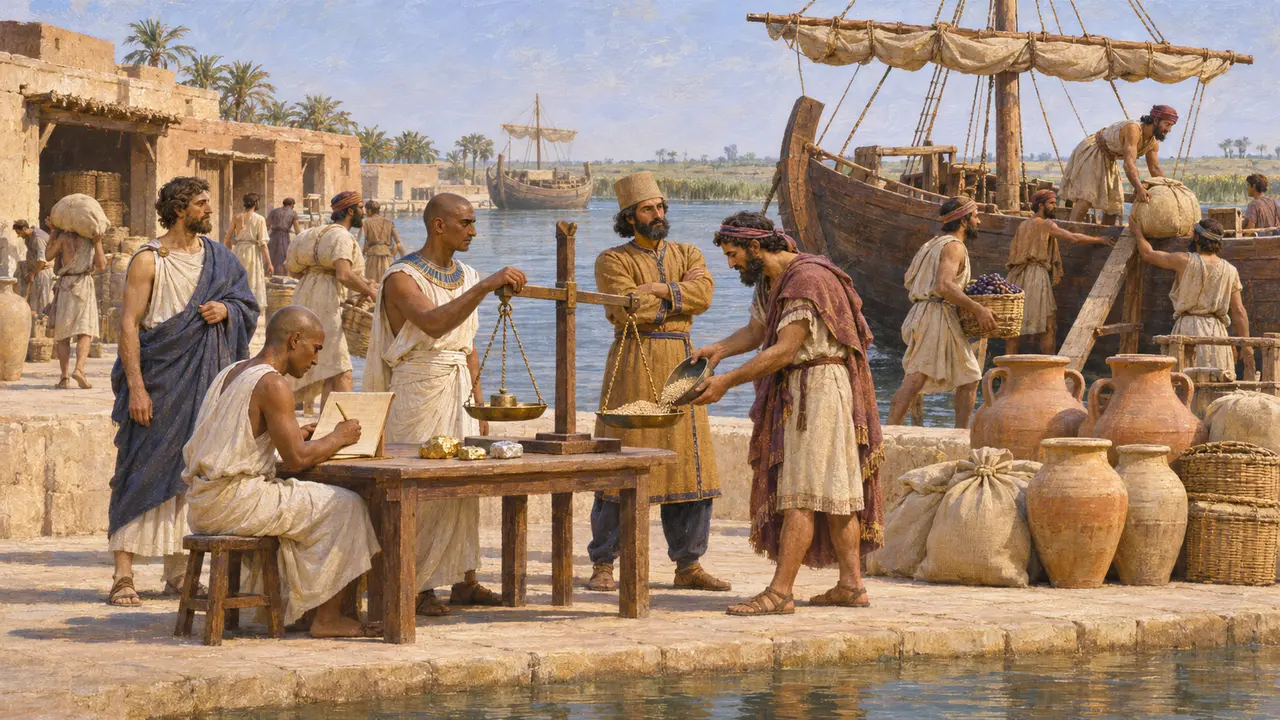
In the recordAn Aramaic customs account from Egypt survives at Elephantine, erased and reused for the story of Ahiqar. Dated to 475, Xerxes' eleventh year, it records Ionian and Phoenician ships entering Egypt, probably at a harbour near one of the Nile mouths. Officials took part of each cargo or set sums in gold and silver, and recorded further payments for the King's house. It is the clearest evidence that the crown taxed sea trade systematically.
Elephantine customs account (TAD C3.7); A. Yardeni, BASOR 293, 1994
A canal from the Nile to the sea
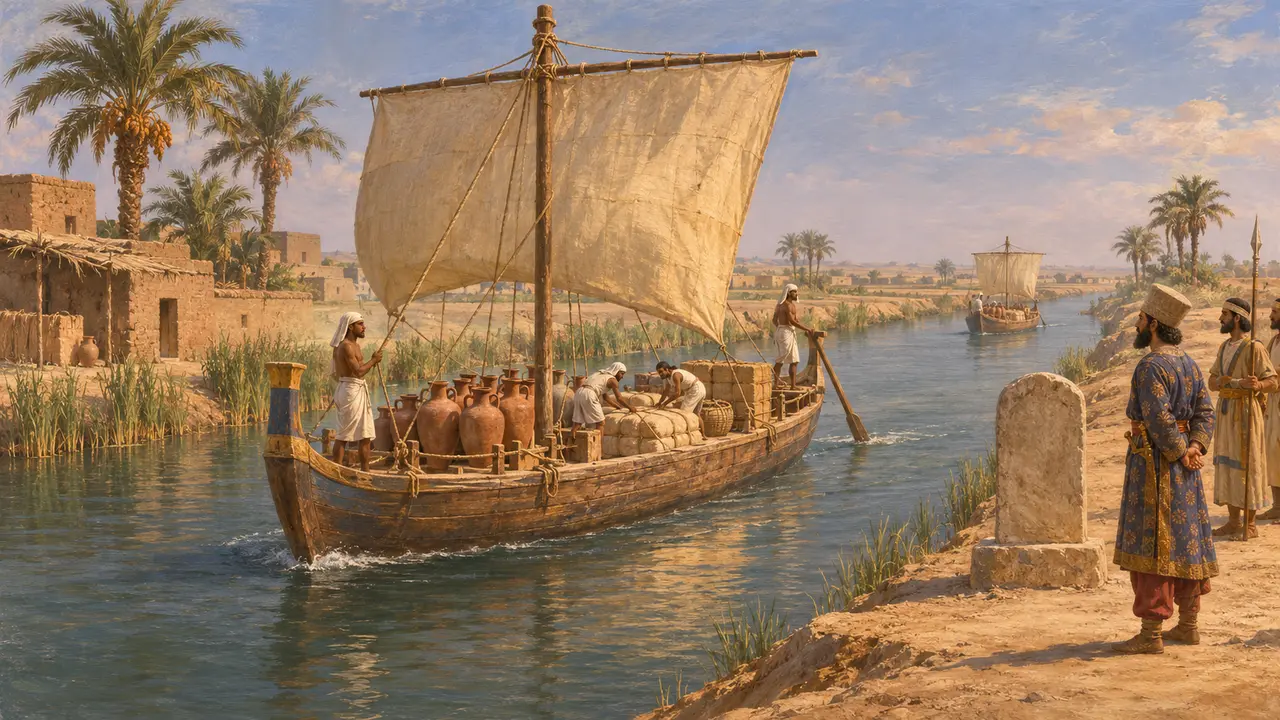
In the recordStelae set up by Darius between the Nile and the Red Sea say that he ordered a canal dug and that ships then went through it from Egypt to Persia. Herodotus says the pharaoh Necho had begun it and Darius finished it, though Strabo and Diodorus later claimed Darius left it unfinished. The work linked Egypt by sea with the Persian Gulf. It served royal traffic and tribute at least as much as private merchants.
DZc; Herodotus 2.158
Darius the shopkeeper
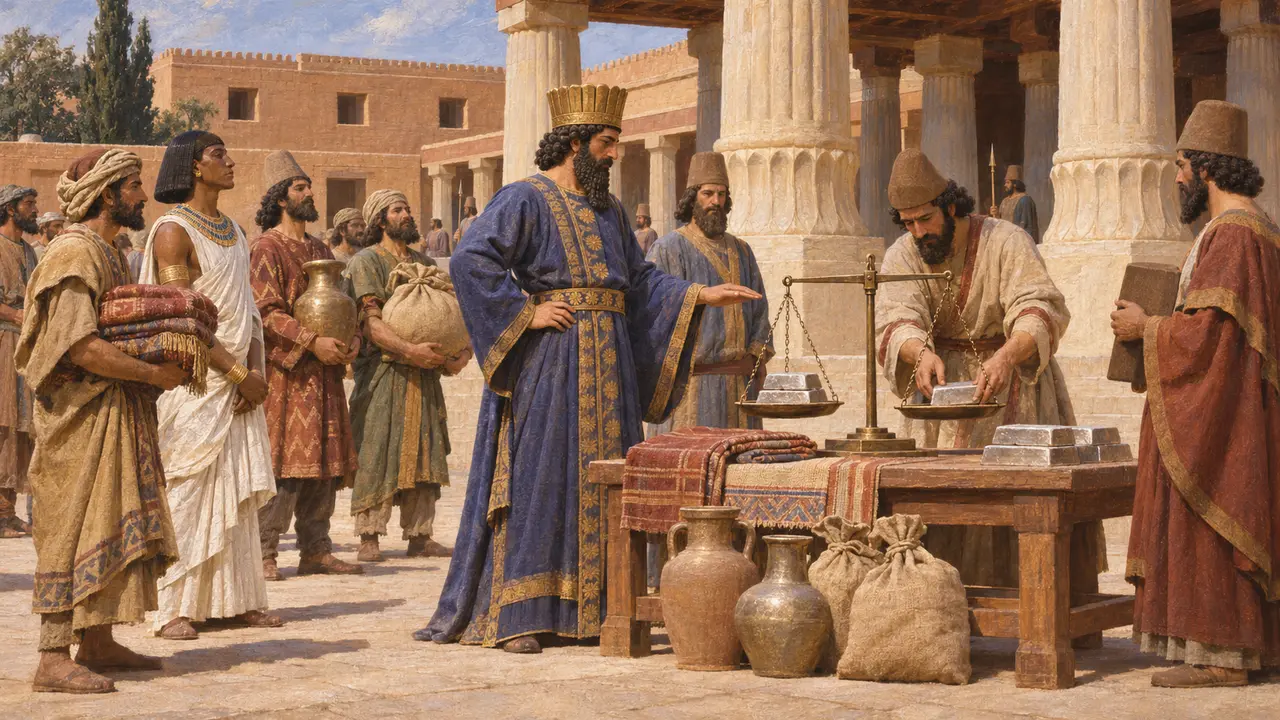
Ancient accountHerodotus says the Persians called Cyrus a father, Cambyses a master and Darius a trader. He explains that Darius earned the name by fixing the tribute owed by each province and making a profit out of everything. The nickname may be a Greek joke as much as a Persian one. It shows how outsiders saw Darius's careful ordering of revenue.
Herodotus 3.89
Did the King promote trade
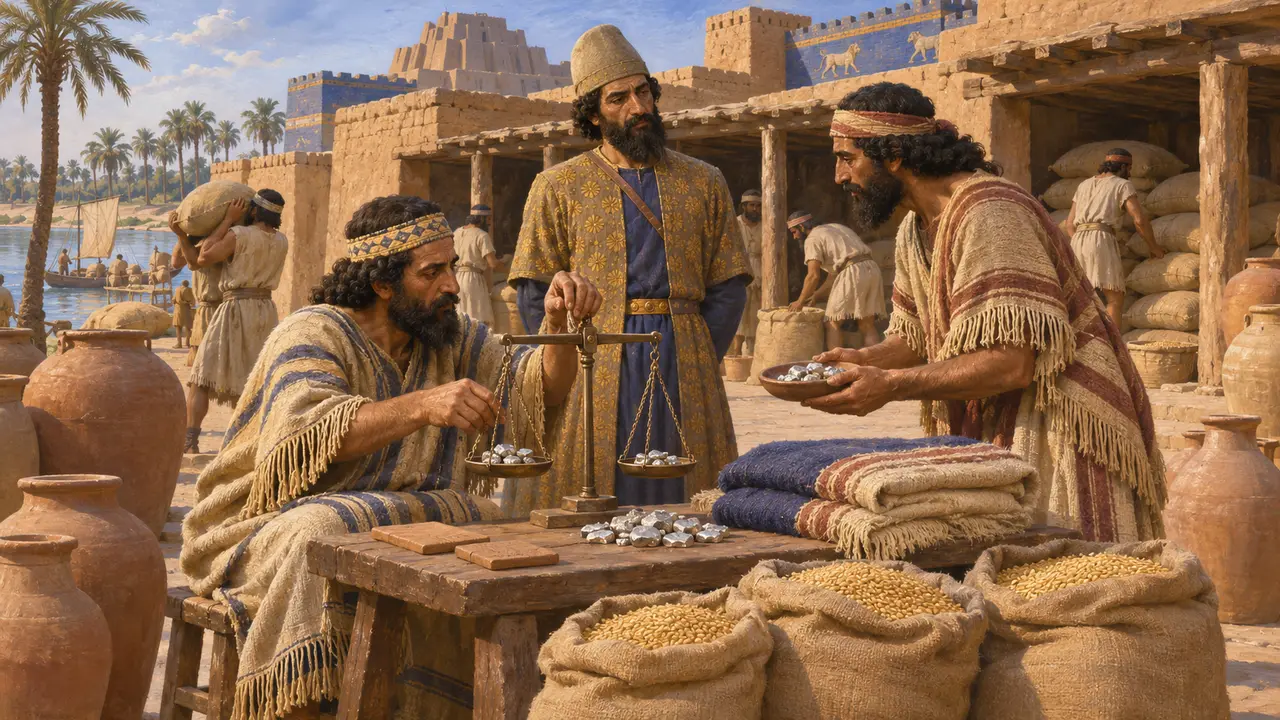
DisputedBabylonian archives such as that of the Egibi family show merchants dealing in silver, goods and tax collection under Cyrus, Cambyses and Darius. Some historians argue that the crown encouraged exchange because tolls and silver revenue served it. Others stress that tribute and payments in kind, as seen in the Persepolis tablets, dominated the royal economy. No document granting trading rights to a city or merchant is known.
P. Briant, From Cyrus to Alexander, 2002; M. Jursa, Aspects of the Economic History of Babylonia in the First Millennium BC, 2010
Sources
- DSf
- Elephantine customs account (TAD C3.7); A. Yardeni, BASOR 293, 1994
- Herodotus 2.158; 3.89
- DZc
- P. Briant, From Cyrus to Alexander, 2002
- M. Jursa, Aspects of the Economic History of Babylonia in the First Millennium BC, 2010