The King's generals
Commanders the Persian king appointed to lead his campaigns, about 521-479 BCE
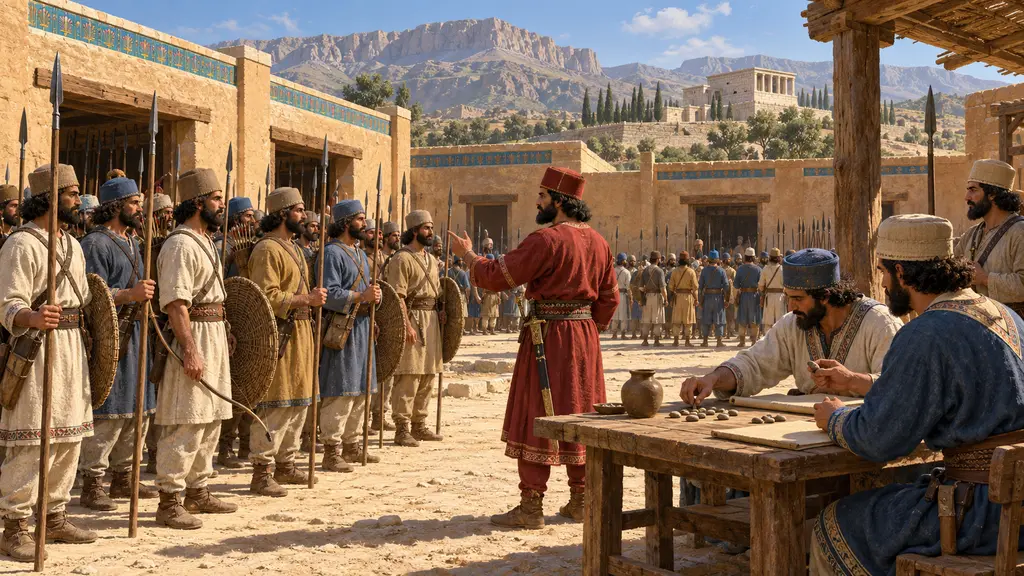
The Persian kings seem to have kept no fixed staff of generals. For each war they named commanders, usually Persian or Median nobles bound to the king by kinship, marriage or long service. Behistun and Herodotus preserve their names, from the men who crushed the revolts of 521 to Datis, Artaphernes and Mardonius, who led the King's armies against the Greeks.
In the game: The game names Datis, Artaphernes, Mardonius and Darius's generals of 521 as the King's commanders, which agrees with Behistun and Herodotus. It treats them as one office, though Persian kings appointed commanders campaign by campaign.
Darius's generals in 521
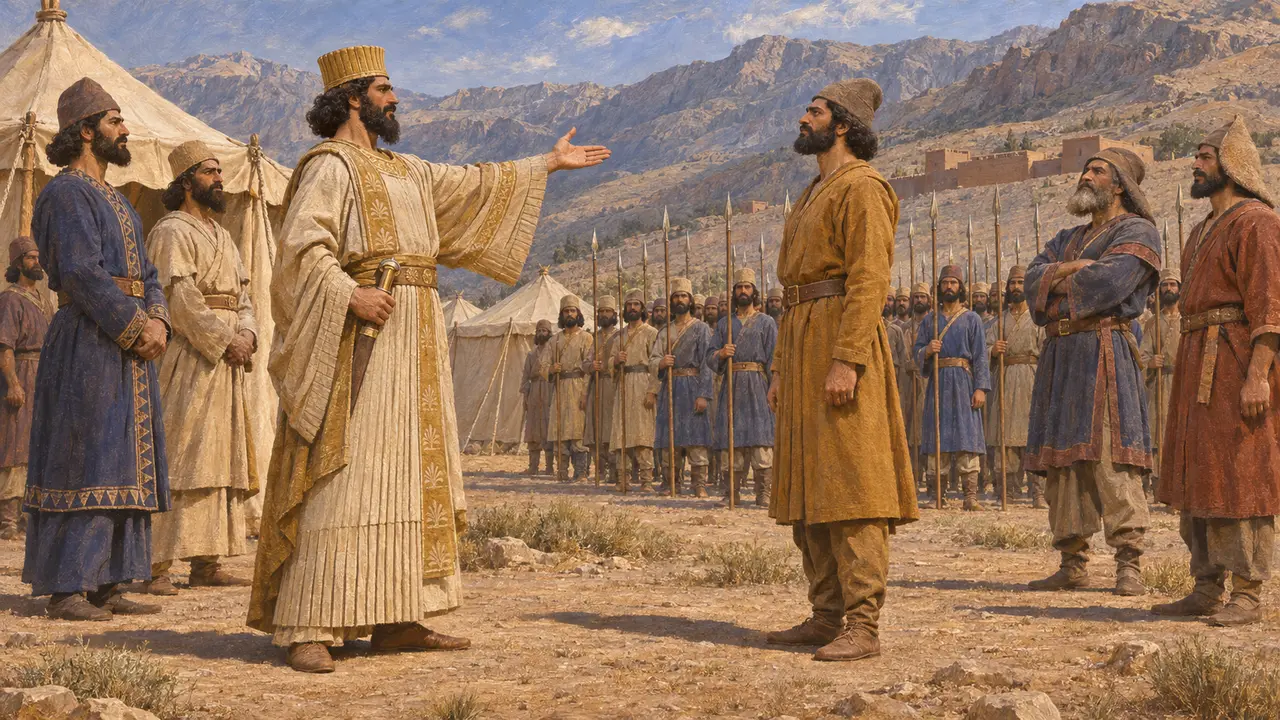
In the recordAt Behistun Darius repeatedly says he sent an army under a man he calls his bandaka, a loyal subject, and made him its chief. Hydarnes (Vidarna) marched against the Medes, Intaphernes (Vindafarna) against Arakha at Babylon, and Artavardiya against Vahyazdata. Vivana, satrap of Arachosia, defeated the army Vahyazdata sent against him. Dadarshi and Vaumisa fought in Armenia, and Gobryas led the campaign against the Elamite Athamaita.
DB §§25-50; DB §71
Datis in the Persian archive
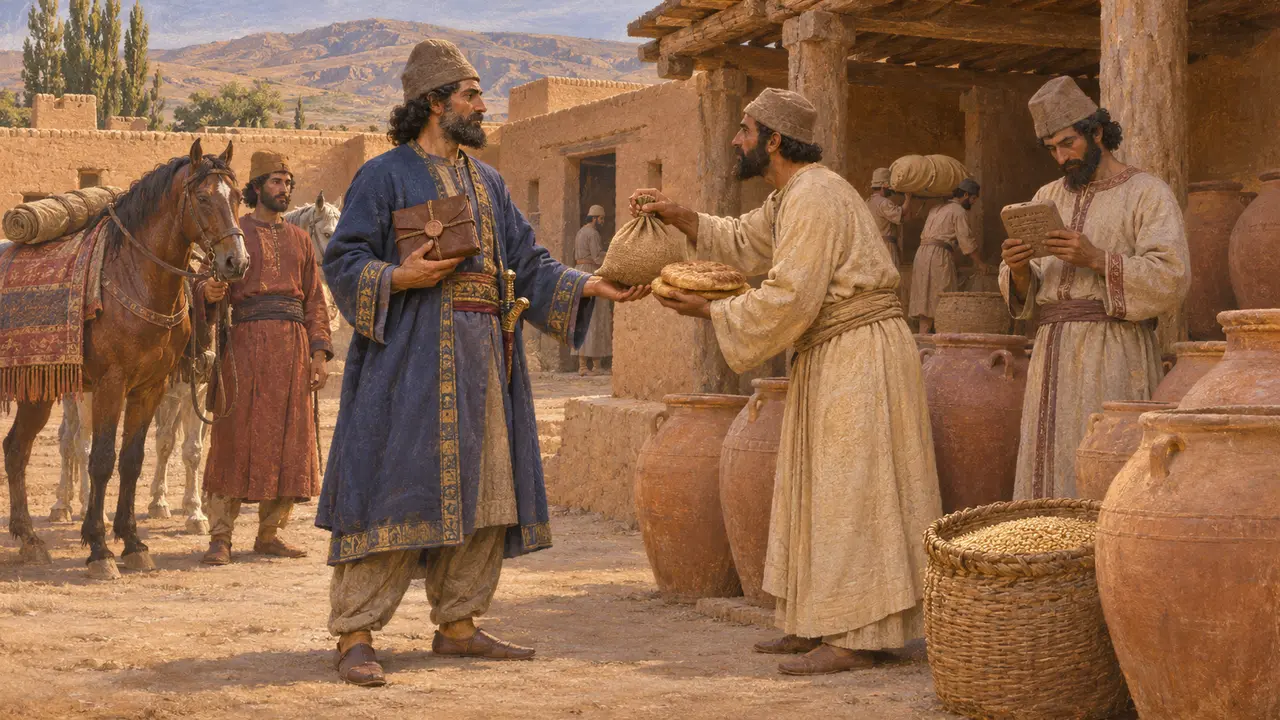
In the recordA Persepolis Fortification tablet dated to about 494 records rations for a man named Datiya. He was carrying a sealed document of the King on a journey from Sardis towards the court. D. M. Lewis argued that this was probably Datis the Mede, which would show him active in the west on royal business four years before Marathon.
D. M. Lewis, 'Datis the Mede', Journal of Hellenic Studies 100, 1980
Datis and Artaphernes in 490
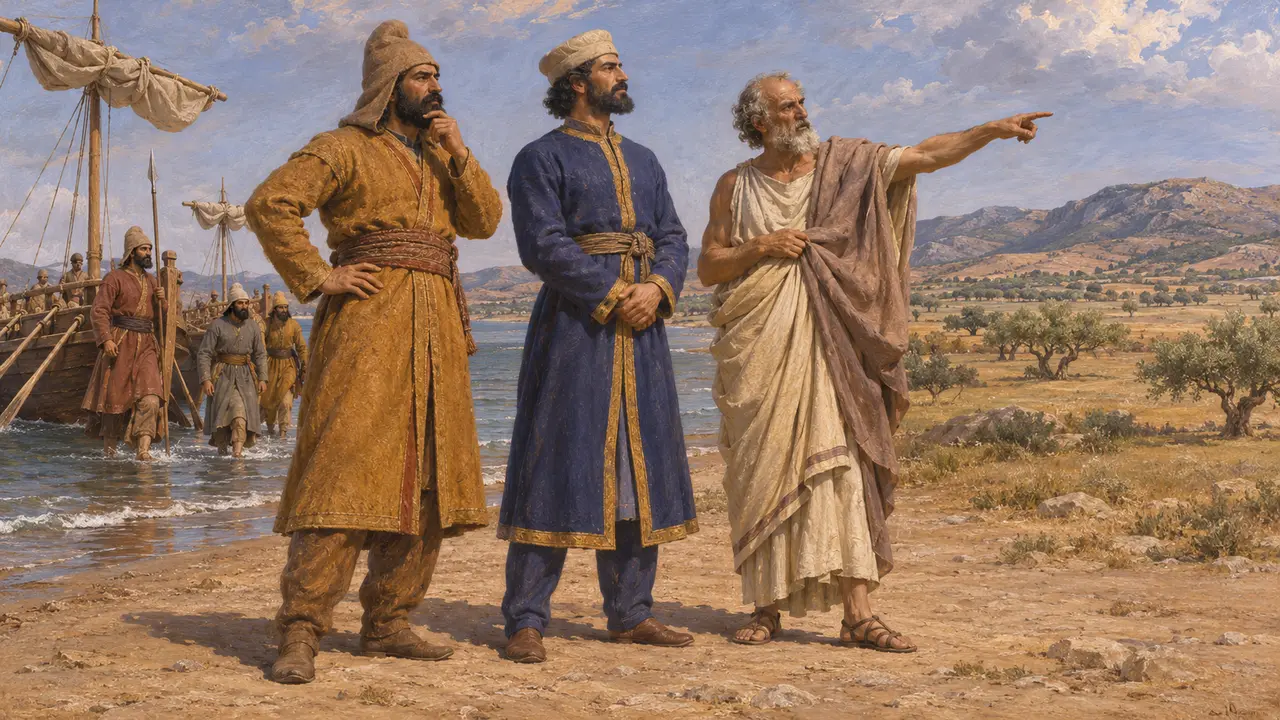
Ancient accountHerodotus says Darius removed Mardonius from command and gave the expedition of 490 to Datis, a Mede, and Artaphernes, son of the satrap of Sardis and nephew of the King. They took Naxos and Eretria and then landed at Marathon, guided by the exiled Hippias. Herodotus reports 6,400 dead on the Persian side in the defeat that followed.
Herodotus 6.94-6.117
Mardonius, son-in-law of the King
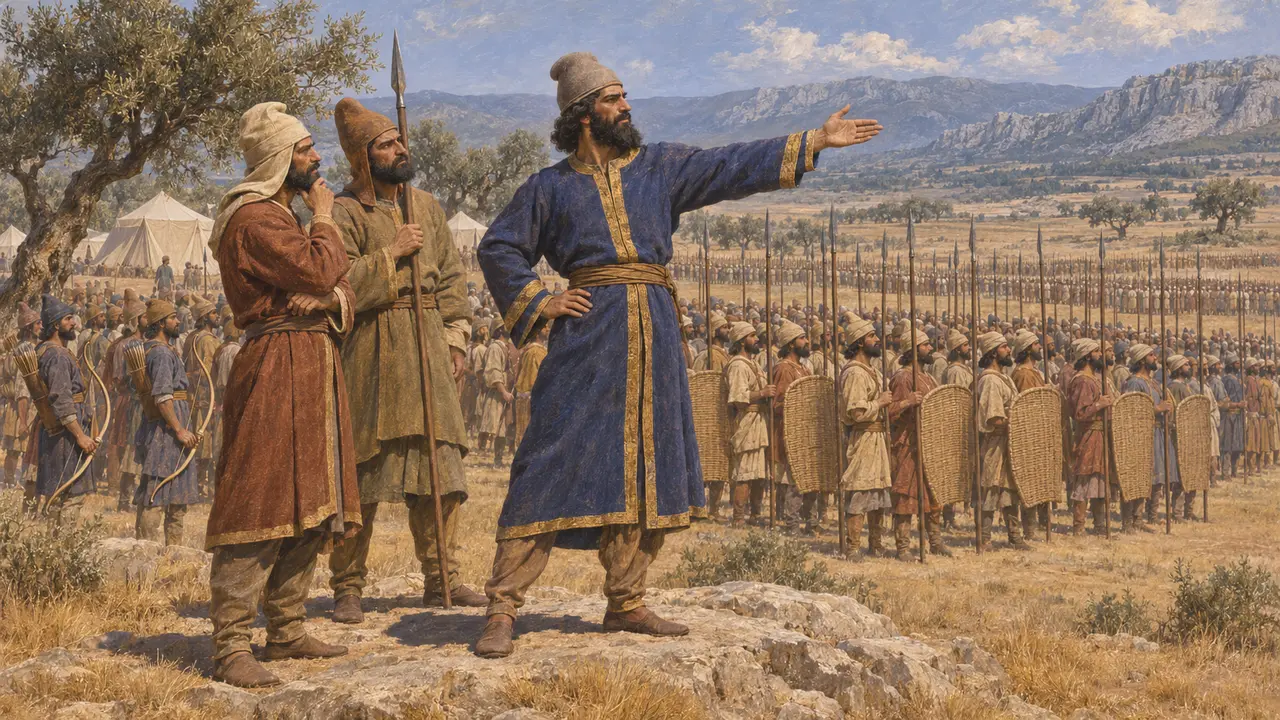
Ancient accountHerodotus describes Mardonius, son of Gobryas, as a young man newly married to Darius's daughter Artozostra when he led an army into Thrace and Macedon in 492; his fleet was wrecked off Athos. Under Xerxes he was one of six generals over the land army. After Salamis he stayed in Greece with picked troops and was killed at Plataea in 479.
Herodotus 6.43-45; 7.82; 8.100-101; 9.63-64
A rank or a commission
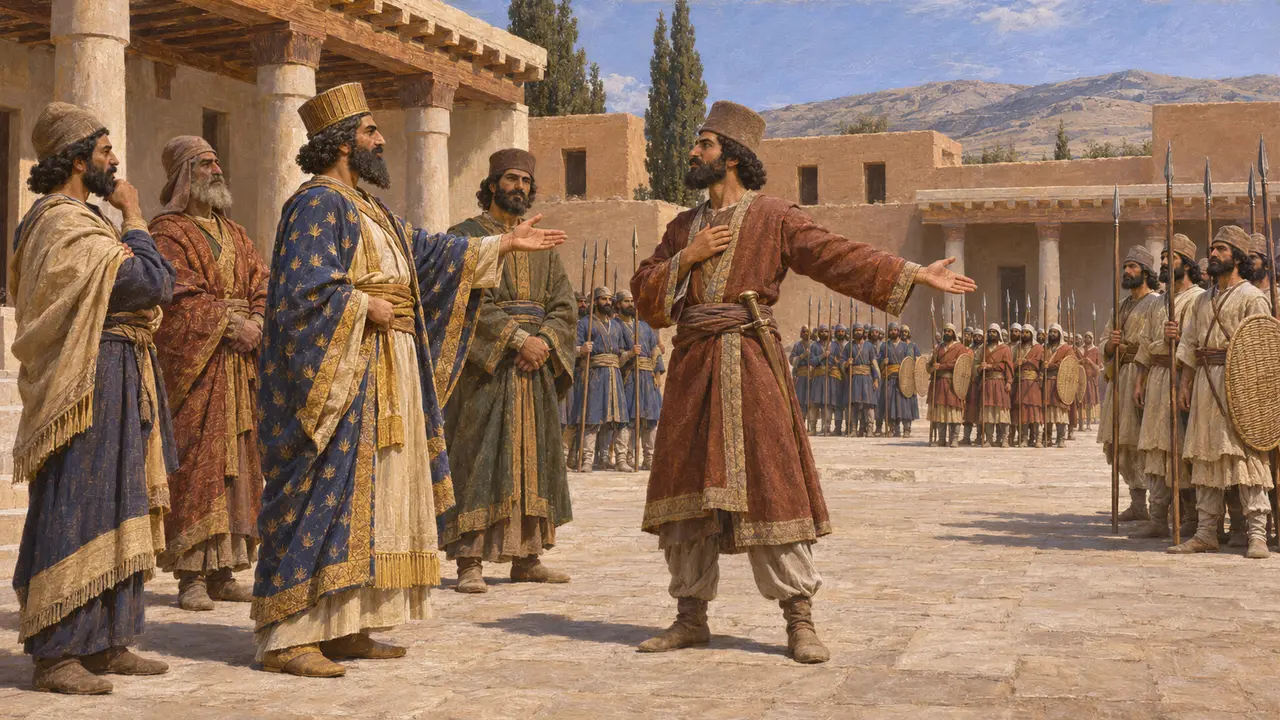
DisputedNo Persian text names a standing rank of general; commands seem to have gone to royal kin, satraps and trusted nobles campaign by campaign. Herodotus describes officers over ten thousand, a thousand, a hundred and ten. A Persian title for a commander of a thousand, hazarapatish, is known indirectly from Greek and Aramaic renderings. Historians debate how far his tidy scheme reflects Persian practice.
Herodotus 7.81; P. Briant, From Cyrus to Alexander, 2002
Sources
- Darius I, Behistun inscription (DB)
- Herodotus, Histories, books 6-9
- P. Briant, From Cyrus to Alexander, 2002
- D. M. Lewis, 'Datis the Mede', Journal of Hellenic Studies 100, 1980
- A. Kuhrt, The Persian Empire: A Corpus of Sources from the Achaemenid Period, 2007